
We operate in a landscape where supply chains move faster than ever, and real-time visibility has become a competitive advantage. Businesses across retail, logistics, and manufacturing rely on identification systems that reduce errors, minimize manual effort, and support scalable digital operations.
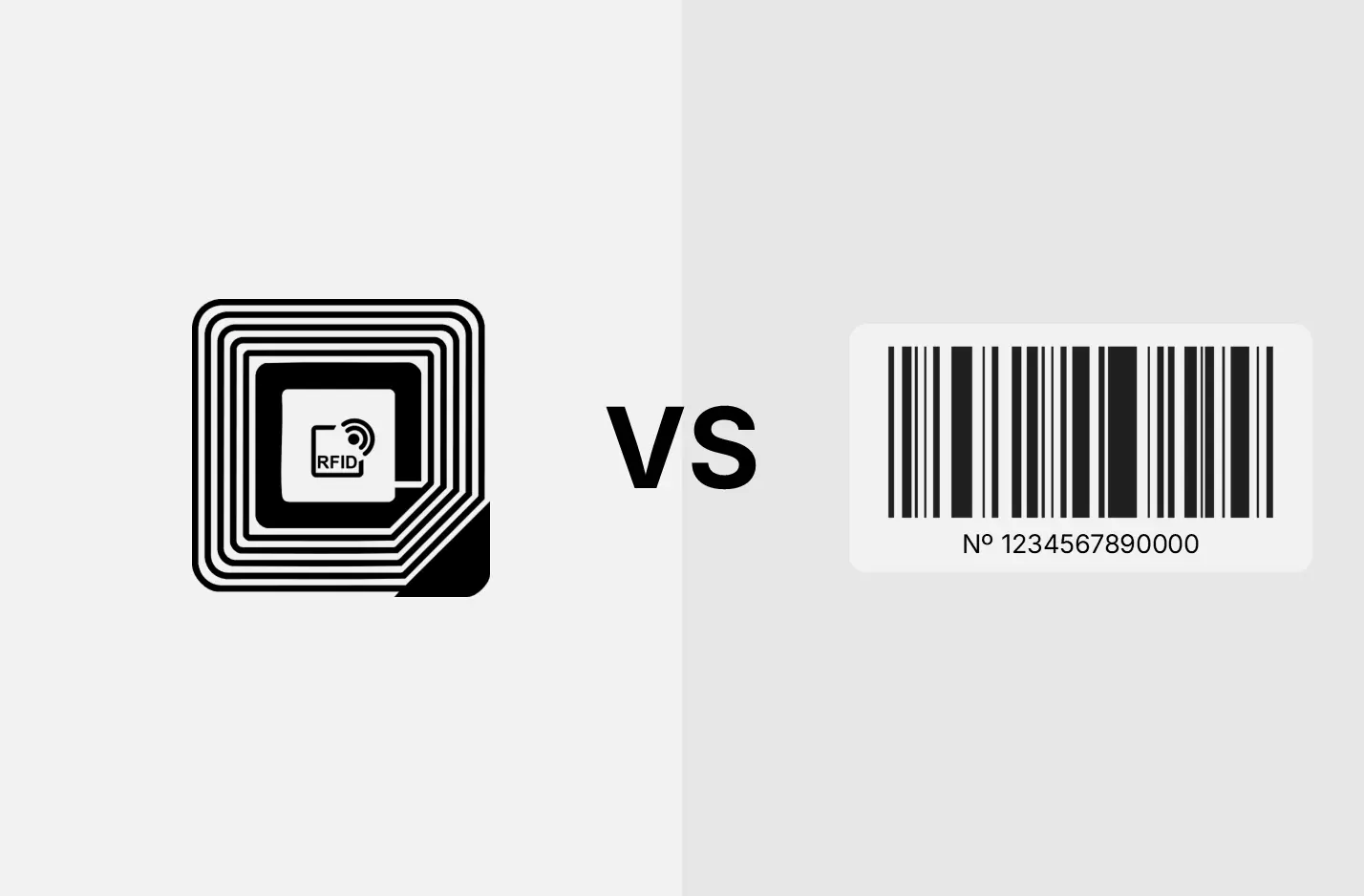
As operational complexity increases, many organizations begin evaluating RFID vs Barcode to determine which technology better supports modern inventory management and accuracy requirements.
If you are looking to strengthen inventory control and streamline workflows, understanding how these technologies compare is essential.
Understanding how identification technologies impact operational accuracy
Selecting the right identification method directly influences how efficiently teams can manage stock, validate shipments, perform cycle counts, and maintain end-to-end traceability.
Both barcode and RFID technologies are widely used across warehouses, stores, and distribution centers. However, their capabilities differ significantly when accuracy, speed, and automation are priorities.
Inventory visibility improvements
RFID enables real-time item recognition without requiring line-of-sight scanning. This allows teams to capture data automatically and perform inventory checks with minimal operational disruption.
With RFID, organizations can:
- Complete cycle counts in minutes
- Detect discrepancies immediately
- Maintain continuous visibility of item movements
Barcode-based counting depends on manual scanning. Each label must be visible and individually captured, increasing processing time and the risk of missed items.
Error reduction and operational consistency
Manual barcode workflows introduce variability into daily operations. Even experienced operators may encounter missed scans, fatigue-related errors, and inconsistencies.
RFID systems reduce human intervention through automated reading. Multiple items are detected simultaneously, improving reliability across inbound validation, outbound verification, and audit processes. The result is a more stable and predictable operational environment.
Speed of execution
Execution speed plays a critical role in maintaining accurate inventory data.
RFID technology supports batch or mass reading, allowing hundreds of items to be identified in seconds. Faster data capture enables more frequent checks and validation processes. Barcode systems require sequential scanning, meaning each item must be processed individually. In high-volume environments, this constraint can significantly limit throughput.
Practical considerations when choosing between RFID and Barcode
Evaluating RFID and barcode technologies requires analyzing how each system performs within a specific operational context.
Reading environment and performance factors
RFID performance can be influenced by materials such as metal or liquids. Well-designed RFID systems mitigate these challenges through shielding techniques, controlled read zones, and optimized hardware configuration.
Barcode labels remain dependable but rely on clear visibility, correct orientation, and physical access for scanning.
Integration and workflow compatibility
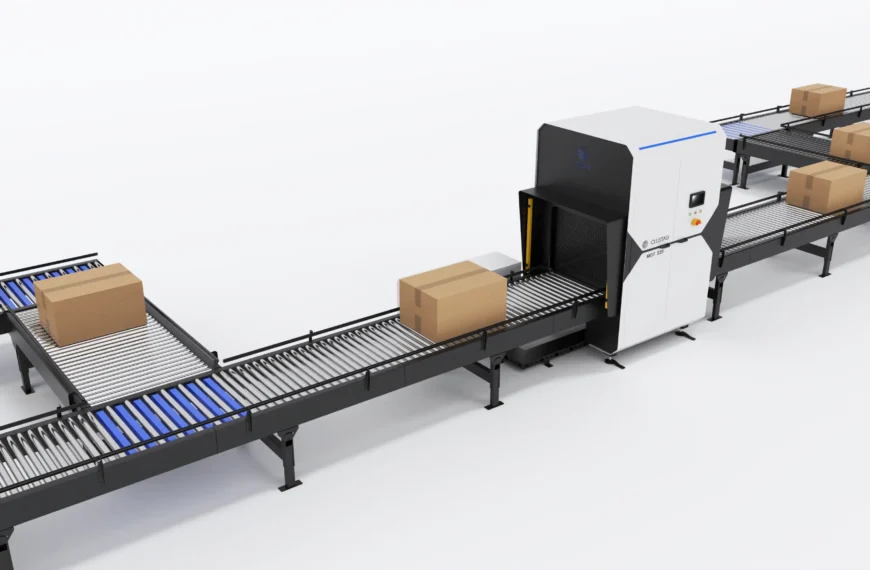
RFID integrates naturally into automated workflows, including conveyor systems, packing stations, receiving docks, and tunnel validation systems.
Barcode systems are simpler to deploy initially but less scalable when operations demand multi-item validation, high-speed automation, or real-time tracking.
Investment and ROI expectations
Barcode solutions offer a low-cost entry point and remain effective for basic workflows. RFID deployments typically involve a higher initial investment but deliver long-term value through labor reduction, accuracy improvements, and process automation. Organizations increasingly evaluate identification technologies based on operational impact and scalability.
How Clustag enhances RFID identification and accuracy
Clustag Smart RFID Solutions are designed to deliver reliable and high-precision identification across retail and logistics operations.
By combining advanced hardware with intelligent software, Clustag systems ensure consistent read performance even in complex environments.
Enhanced accuracy across retail and logistics
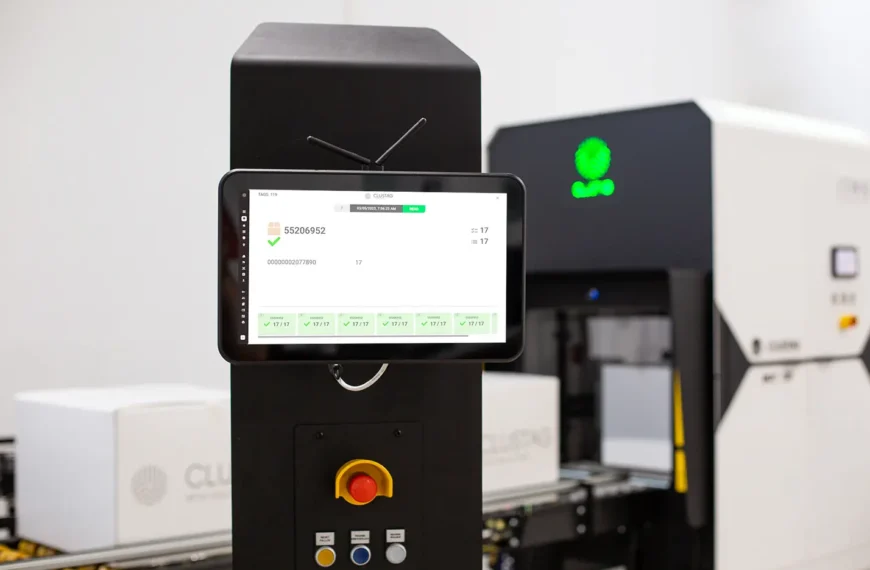
Clustag validation surfaces and RFID tunnel systems support seamless inbound checks, shipment verification, and product authentication. Near-field reading and isolated scanning environments help ensure every item is captured correctly, even when products are densely grouped.
Optimized operator efficiency
Clustag interfaces are designed to simplify validation tasks for warehouse and store teams. Clear visual feedback and guided workflows reduce training time while improving process consistency.
Scalable technology for evolving operations
RFID-enabled infrastructures allow organizations to expand validation points, integrate automation, and extend tracking capabilities as operational needs grow. RFID becomes a strategic foundation for long-term supply chain optimization.
RFID vs barcode: making the right decision
Barcode technology remains effective when operations are relatively simple, volumes are moderate, and automation is not a priority.
RFID becomes particularly valuable when inventory accuracy is critical, speed and efficiency are essential, and processes require higher levels of automation and visibility.
Explore how RFID can improve your operations
Improving inventory accuracy requires more than selecting a technology. It involves designing workflows that ensure reliable data capture, operational efficiency, and long-term scalability. If you are evaluating RFID solutions or considering an upgrade from barcode-based processes, our team can help you assess the best approach for your environment. You can contact us to discuss your operational needs or schedule a visit to the Clustag Customer Experience Center, where you can experience our RFID systems in real scenarios.