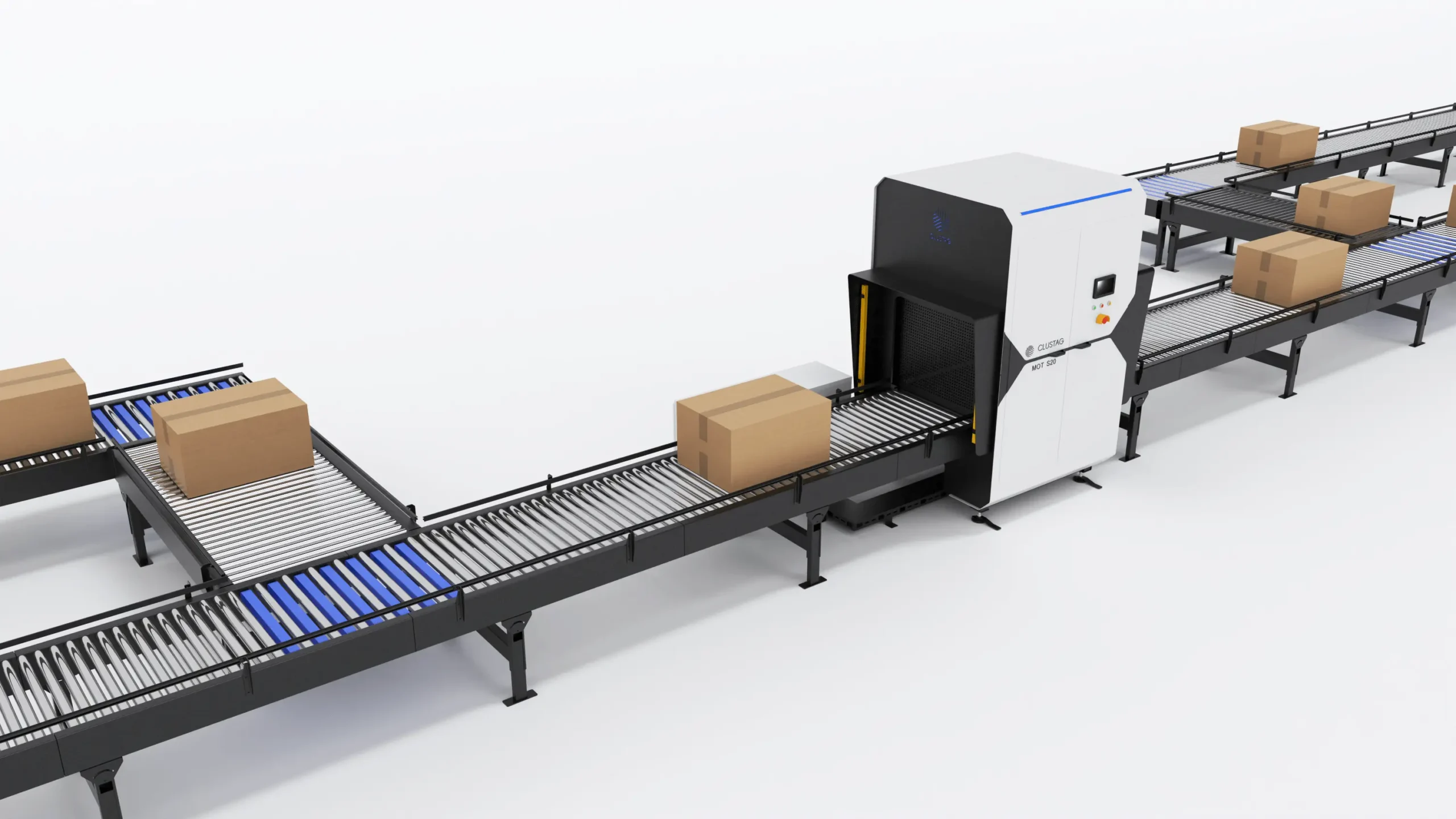
We believe that any RFID initiative becomes stronger when it begins with a focused and well-structured Proof of Concept (PoC). A solid RFID proof of concept allows us to validate impact early, uncover operational realities, and accelerate decisions with measurable evidence.
When designed with intention, it goes far beyond verifying that tags can be read. It confirms where, how, and why the technology generates value in real intralogistics and industrial operations. At Clustag RFID Solutions, we rely on this approach to help organizations gain clarity before committing to large-scale deployments.
Understanding the Real Function of an RFID Proof of Concept
A proof of concept is a time-bound evaluation phase in a real operating environment, using actual products, flows, and data. It avoids abstract simulations and brings visibility into how the technology behaves under everyday constraints.
Testing in Real Operational Conditions
We run tests directly inside the customer’s workflows, ensuring that read rates, antenna behavior, and tag performance can be measured accurately. This reflects real environmental challenges such as:
- Mixed materials: How signals react to different packaging.
- Moving assets: Tracking items at operational speeds.
- Density and Metal: Overcoming interference in high-density or metallic environments.
Revealing Measurable Operational Improvements
Instead of validating only technological feasibility, we measure improvements in control, accuracy, processing times, quality checks, and error reduction. These insights allow teams to quantify ROI instead of relying on assumptions.
Ensuring Alignment Across Stakeholders
A proof of concept brings clarity to operations, IT, engineering, and management teams. Everyone sees the same data, the same workflow, and the same results, fostering informed decision-making and reducing internal friction.
When an RFID Proof of Concept Delivers the Greatest Value
While not every organization requires a PoC, it is often the fastest way to eliminate uncertainty and de-risk major decisions. It is particularly essential in the following scenarios:
- Complex Reading Environments: Operations with metallic surfaces, liquids, or multiple SKU geometries benefit from optimizing the read setup with Clustag’s RFID Shield Technology and smart antenna configurations.
- Evolving or Non-Standardized Workflows: If the operation experiences frequent changes, a PoC evaluates how easily RFID integrates without disrupting productivity.
- Multi-System Architectures: Because Clustag integrates RFID data with ERP, WMS, or custom middleware, validating interoperability early avoids costly surprises later.
- High-Impact Processes: Where shipping errors or stock discrepancies are costly, targeted testing confirms the economic value of automation.
What We Evaluate During a Successful RFID Proof of Concept
A well-designed PoC examines three complementary dimensions. Each one determines whether scaling the system will produce consistent, long-term value.
1. Technical Validation
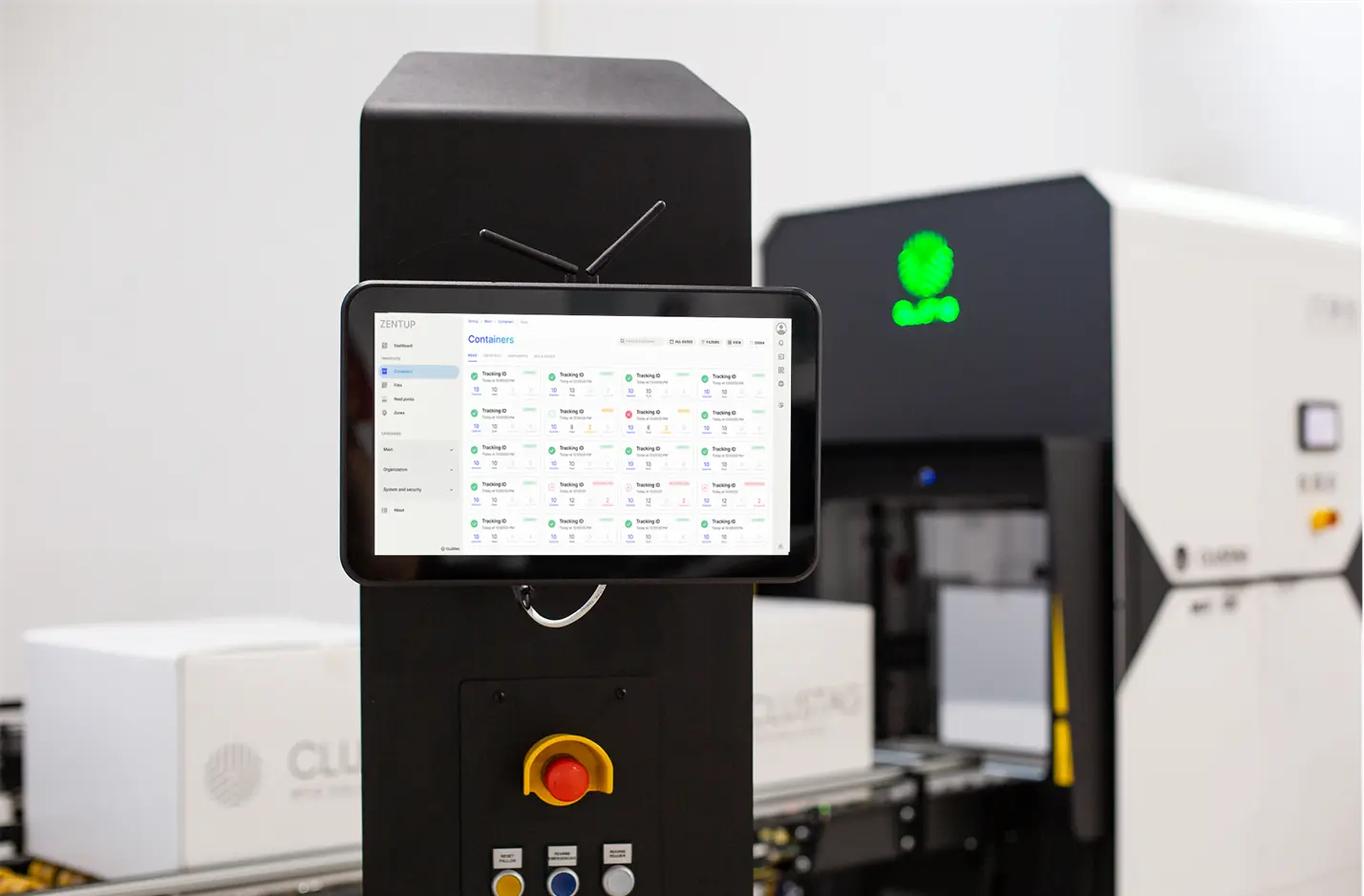
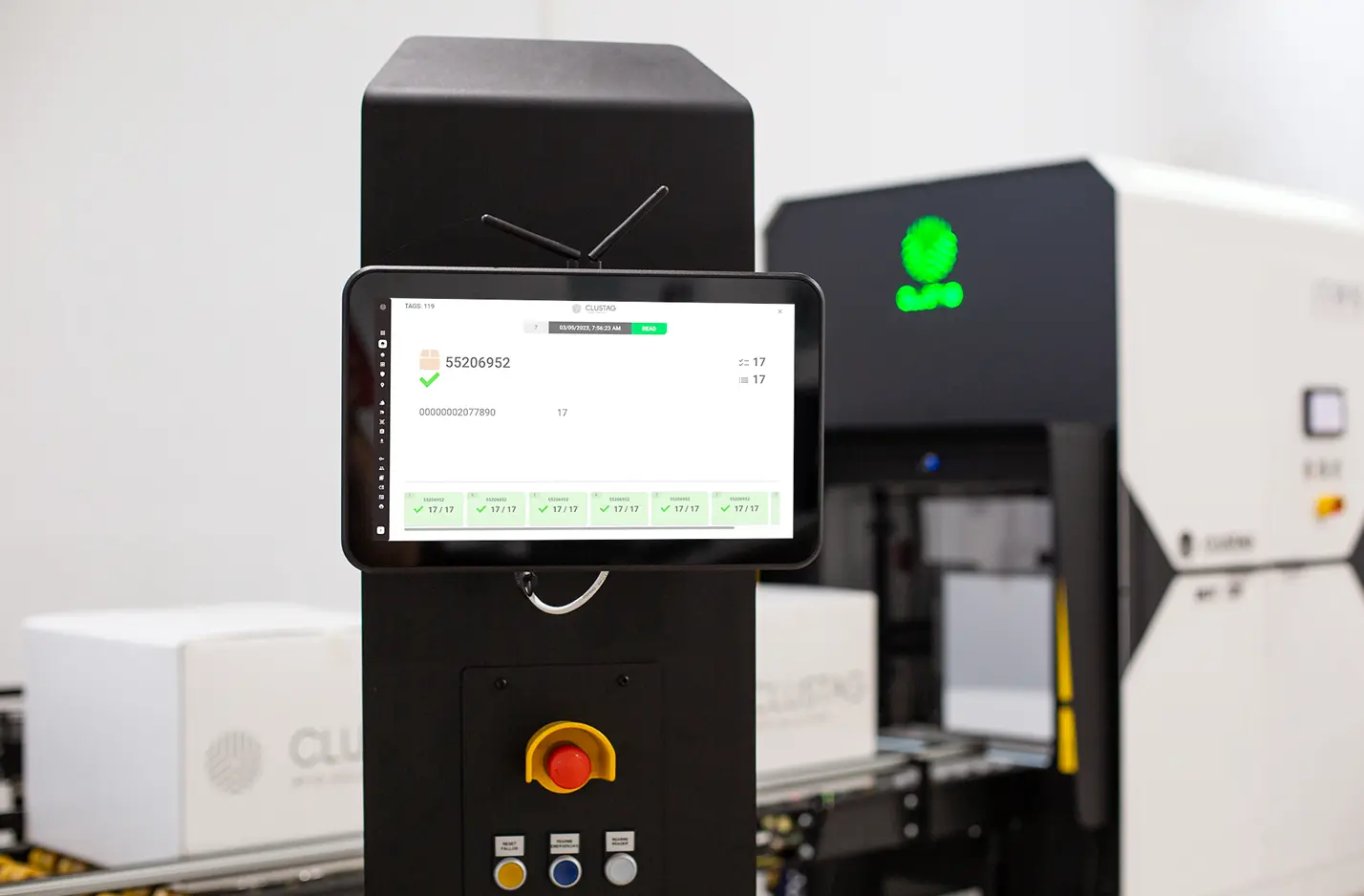
We measure real read rates, stability, interference, tag suitability, and integrity of data flows. Using our Zentup software ecosystem, we adjust parameters to achieve predictable performance.
2. Operational Validation
We analyze how the technology fits the actual workflow. Does it reduce manual checks? Does it streamline inbound verification? Does it become intuitive for operators? These insights shape the final deployment blueprint.
3. Data Validation
We assess the visibility the system generates. Many organizations find the highest value here, as improved traceability directly supports quality, service levels, and loss reduction.
Why Unclear Objectives Can Derail an RFID Proof of Concept
One of the most common errors is starting without a defined question or success criteria. Without KPIs, teams struggle to interpret results, and the evaluation becomes subjective.
A proof of concept does not slow the project; it accelerates execution by replacing assumptions with real evidence.
To avoid this, we focus on:
- Defining a Clear Hypothesis: Aligning on a specific outcome, such as improving shipment accuracy or accelerating inbound checks.
- Avoiding Unnecessary Complexity: Overengineering can overwhelm the phase with features unrelated to the core goal. We keep the scope tight so results remain actionable and easy to interpret.
- Capturing the Right Data: Knowing what success looks like helps us capture precise metrics through Zentup, ensuring consistency and comparability throughout the test period.
Prioritizing Value Validation Over Technology Validation
The most transformative insight from a PoC often has nothing to do with whether RFID “works.” Instead, it uncovers which part of the operation benefits the most from automation and real-time visibility.
By validating value early, teams avoid scaling solutions that would not deliver meaningful improvements, saving both budget and time. This process helps discover unexpected areas, high-impact use cases, where the technology creates the most significant operational gains.
From Targeted Testing to Full RFID Deployment
Every layout, antenna position, software integration, and workflow is shaped by what we observe during the Proof of Concept. This ensures that the final solution mirrors real operational conditions, not theoretical ones.
With Clustag’s RFID ecosystem, including rugged read points, controlled-shielding stations, dock validation systems, and Zentup middleware, scaling becomes faster, safer, and fully aligned with your operational needs.
Take the Next Step
If you want to validate RFID value in your own environment, we invite you to visit our Customer Experience Center to test your products, your workflows, and your operational challenges.
Contact our team today to start designing your RFID Proof of Concept with us.