
RFID technology has developed rapidly in recent years. It is now gaining popularity in the grocery industry. Industries use RFID for product identification, tracking and traceability. This ensures food safety, improves quality, and reduces waste, and increases profitability and customer satisfaction.
RFID systems in grocery industry
Each food item is tagged with an RFID tag during the packaging process to uniquely identify it. After production, when the items have been stored in your warehouse, in transit or displayed in the retail store, you can automatically get a complete inventory of the grocery items in real-time.
1. Improved inventory management
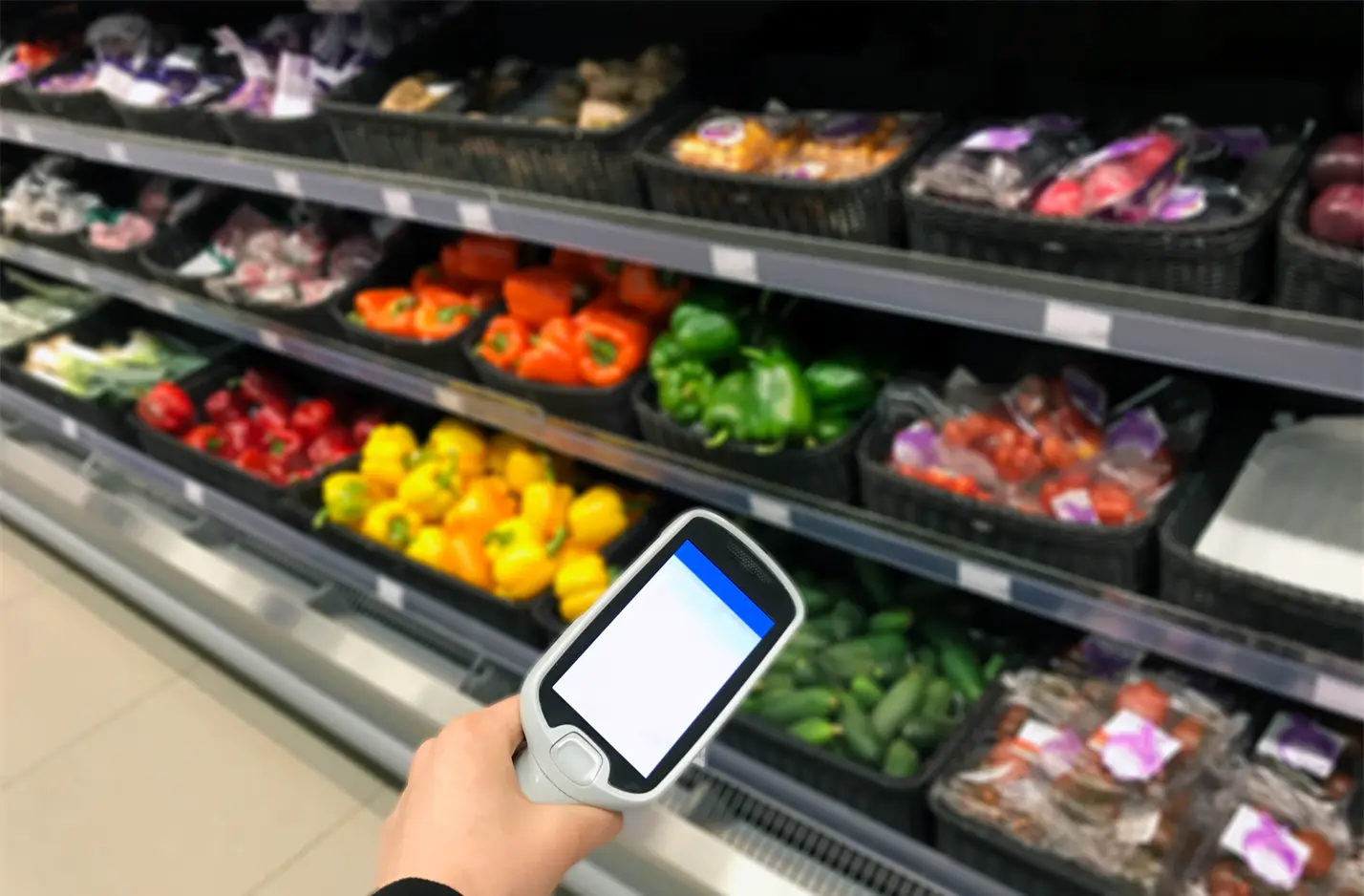
The first major use case for RFID in the grocery industry is improved inventory management by replacing old stock-keeping methodologies. RFID technology gives retailers an option for an accurate and quick overview of their entire stock. Moreover, having a precise picture of the store inventory is indispensable for the grocery industry, where items need to be managed and monitored much more accurately as most food items are perishable, some with narrow expiry windows.
2. Efficient supply chain management
In supply chain management, RFID tags are quite useful to trace food products with great accuracy. RFID technology allows remote stock counts that are both highly accurate and very fast compared to other methods. This results in increased process efficiency, superior inventory management and waste reduction.

3. Automatic control and counting
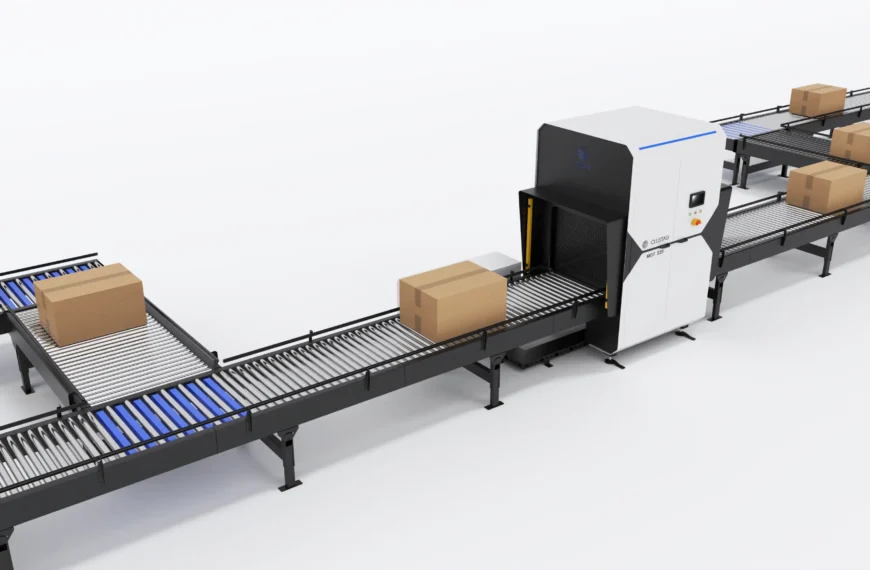
The operators of grocery sectors have to guarantee efficient delivery to retail stores and manage the entire logistics network with speed. With RFID technology, it is easy to manage the complete logistics operations and detect issues that can be corrected quickly. With RFID devices available at each point of the supply chain, you can quickly and easily identify the location of any food product down to the pallet and package. This is sometimes necessary if you have to remove or replace a particular batch of a product.
4. Reuse of packaging material
In the grocery industry, after delivery of the product, the packing boxes and pallets are reused after a necessary cleaning process. RFID tags correctly identify boxes and pallets, verify them, and send them back for reuse. You can efficiently find any anomalies in the number of packages sent and returned, thereby reducing the number and location of lost boxes and pallets.
5. Grocery safety
Food companies use RFID systems in dairy, fruit, meat and bread to maintain safe environmental conditions. During transportation, storage and display. Ensuring grocery safety has a very high priority for food delivery companies as consumer health is paramount in ensuring purchasers’ trust and loyalty.
6. Traceabilit
In the grocery industry, the traceability of products is a major concern, for consumers as well as for retailers. Consumers demand high transparency regarding food sources and processes as they are now more health conscious.
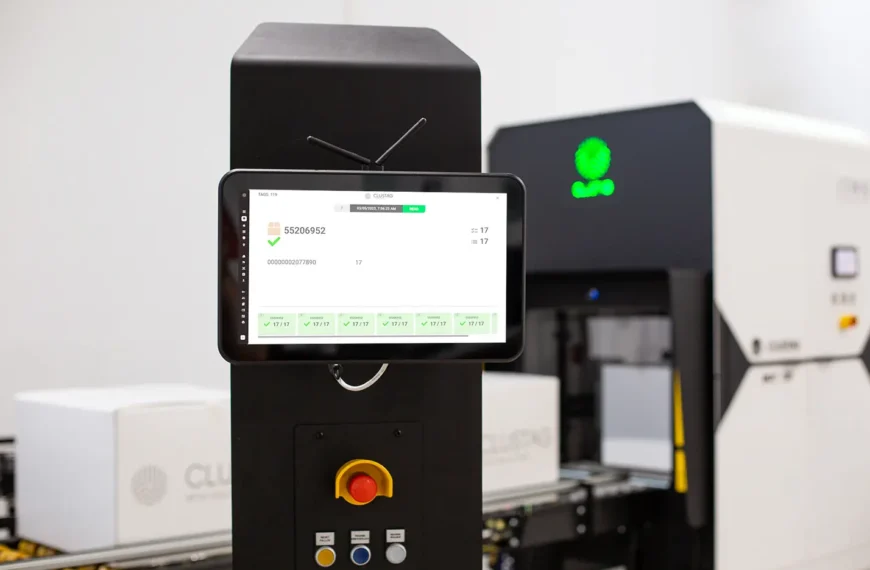
RFID carries type, quantity, and origin information, which the system collects throughtout a product’s life cycle, giving consumers 100% traceability and visibility of the entire chain of a product’s lifetime. Check Clustag RFID solutions for a better understanding.
7. Grocery waste reduction
The expiry of unsold food products results in a large amount of grocery wastage. It is also quite time-consuming and expensive to manage expired products on the reail shop floor. RFID systems can not only monitor and maintain stock levels on shelves but also monitor the expiry date of individual products, and can immediately signal to the floor staff about items nearing expiry that need to be moved forward or priced down for quick sale.
8. Personalized nutrition
In today’s health-conscious society, consumers demand specific products that they want to buy and consume. Business owners have to strive hard to keep up with this demand for specialized food products. RFID tags are being used to track consumer interest to create personalized nutritional products for customers. For health-savvy consumers, RFID tags are very useful as they want to know more about the health benefits of each product they want to consume.

9. Overall customer satisfaction
Introducing RFID tag into the retail system gives end users a broader picture. Customers can find a product’s history even after purchase. By entering a code on the store website, they gain confidence and assurance. It helps to create a more positive customer experience. If food product history can be obtained by the customer, they will show more trust towards the product, and they will re-purchase them with confidence.
10. Cost
Cost is major challenge in the widespread use of RFID technology. RFIDs are still expensive compared to barcode labels. The higher cost of RFID tags makes it a challenge to use them economically to mount them onto each retail item. However, as the high volume RFID manufacturing processes are improving, it is lowering their cost, resulting in their wider adoption in the grocery sector.
Wrapping up
RFID technology has been able to solve many challenges faced by the grocery industry. The technology has matured to a point where it is viable for a more diverse range of products. The only thing that may hold it back is its cost. Although the cost of RFID tags has dropped considerably, the price of food products is much lower than other retail products.
But some fresh products like meat and fish and some fruits and vegetables have both a high enough price range and limited shelf life which makes economic sense to tag them with RFID.
The grocery industry is the new frontier for RFID, and it will gain popularity exponentially since it benefits everyone involved in the grocery industry; from suppliers, stockists, retailers, consumers and even to the world at large.
Contact us to learn how our RFID business intelligence solutions can improve efficiency in your operations!