
Inventory accuracy is the backbone of operational efficiency. However, many organizations still operate with unreliable stock data that quietly undermines performance, service levels, and bottom-line decision-making.
“When teams cannot trust their inventory records, errors ripple through the entire supply chain, disrupting everything from replenishment to customer satisfaction.”
Based on our experience in complex intralogistics environments, we’ve identified the five most common failures and the technical methodology to eliminate them for good.
1. Fragmented Visibility: The Enemy of Inventory Accuracy
Capturing data at isolated checkpoints creates “blind spots.” If your systems don’t communicate in real-time, the gap between physical stock and digital records grows exponentially as you scale.
- The Problem: Manual updates and delayed synchronization.
- The Solution: Establish a “Single Source of Truth.”
- The Result: Total consistency across inbound verification, internal movements, and outbound flows.
2. Uncontrolled RFID Environments (Stray Reads)
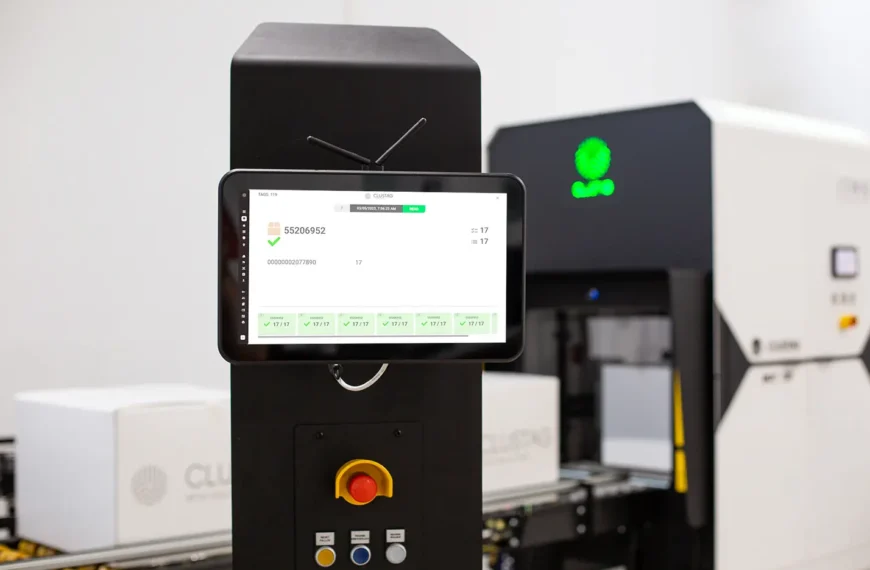
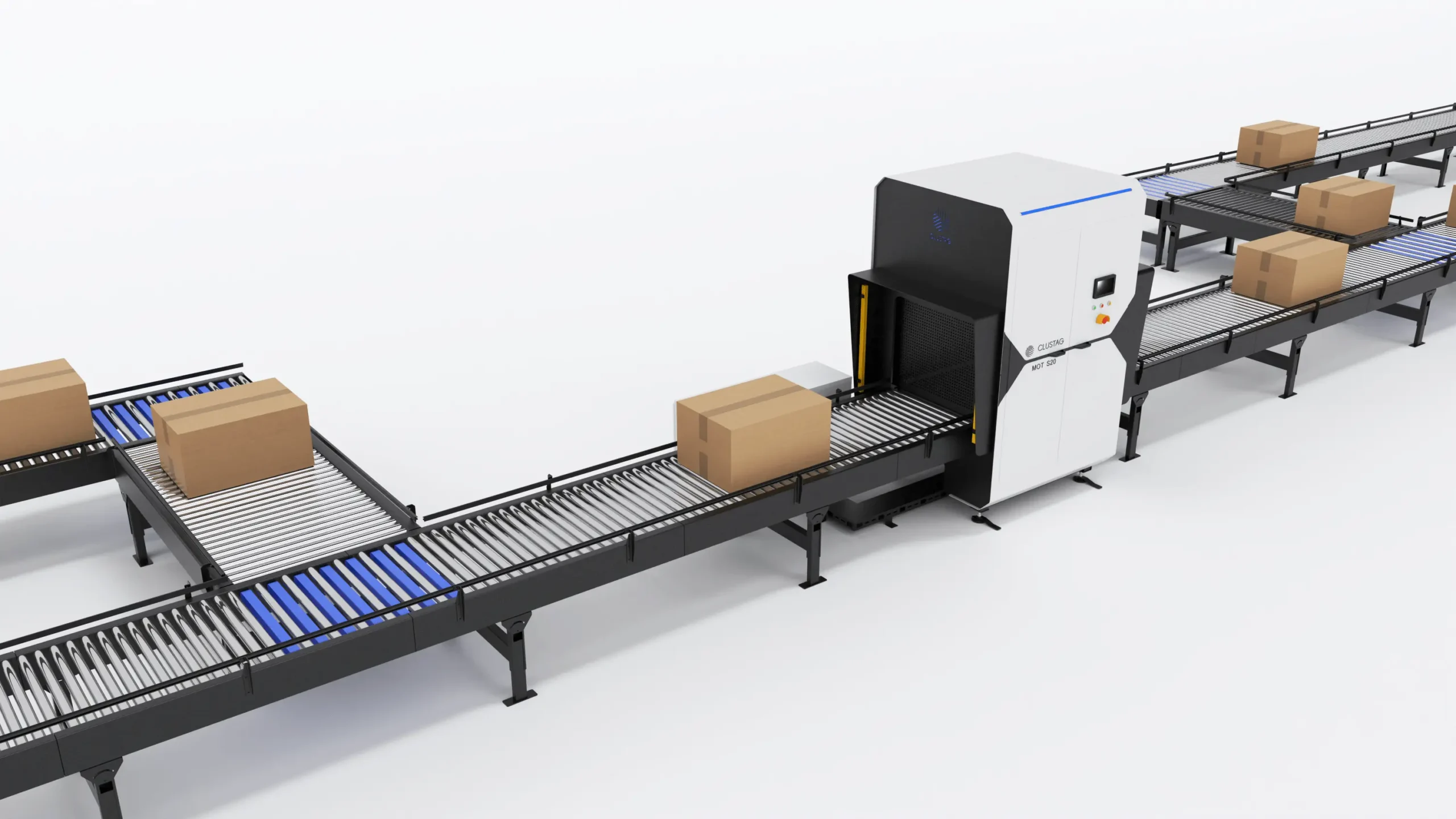
RFID technology is powerful, but without proper wave containment, systems often capture unintended tags from nearby areas. These “stray reads” artificially inflate stock levels and erode trust in the system.
Enhancing Inventory Accuracy through Controlled Environments
| Challenge | Consequence | Clustag Solution |
| Bouncing RF Waves | Reading tags outside the zone | RFID Shield Technology |
| High Stock Density | False positives | Validated Read Zones |
| Complex Layouts | Data unreliability | Real-world validation in Experience Centers |
3. Inconsistent Operational Processes
Technology alone cannot guarantee inventory accuracy. When operators rely on manual workarounds or visual checks to resolve exceptions, human error inevitably undermines data reliability.
- Standardized Workflows: We design RFID-enabled processes that ensure data is captured the same way every time.
- Reduced Exceptions: Automated verification increases inventory accuracy by removing the need for manual intervention through Smart RFID Intralogistics.
4. Overlooking RFID Tag Quality
Not all RFID tags perform equally. A poorly placed or damaged tag is a frequent source of “hidden” inventory errors that gradually distort your records.
“Inventory accuracy starts with reliable tagging at the source, before the item even hits the warehouse floor.”
To ensure high-quality data, we recommend:
- Pre-deployment Testing: Validating read performance based on product material and packaging.
- Supplier Alignment: Ensuring inbound shipments meet your specific inventory accuracy requirements.
5. Lack of Continuous Inventory Control
Treating inventory checks as a “once-a-year” event allows discrepancies to accumulate unnoticed. Annual counts are not only disruptive but also incredibly costly.
- Frequent Cycle Counting: RFID enables fast, non-intrusive inventory checks without stopping operations.
- Strategic KPIs: With tools like Zentup, inventory reliability shifts from a reactive metric to a controllable performance indicator.
Mastering Your Inventory Accuracy
Accuracy isn’t the result of a single tool; it’s the harmony of hardware, software, and standardized processes. At Clustag, we help you eliminate these errors at the root so you can finally regain confidence in your stock data.
Ready to reach 99%+ inventory accuracy?
We invite you to visit our Customer Experience Center to test our solutions with your actual products.