
An automated infeed for AS/RS performance is the foundation of fast, predictable and error-free warehouse operations. While shuttles, cranes and high-density storage systems are essential, their real efficiency depends on the quality of inbound data. When identification, weight or volume information is incomplete, even the most advanced AS/RS struggles to perform at scale.
By automating the inbound entry point and capturing accurate data in a single step, warehouses can improve flow, reduce exceptions and unlock full inventory visibility from the very first meter of the process.
Why automated infeed is critical for AS/RS performance?
Automated Storage and Retrieval Systems depend entirely on the reliability of inbound information. The infeed area generates, validates, and distributes operational data across the entire warehouse ecosystem.
An automated infeed for AS/RS performance ensures that every item enters the system with verified identification, dimensions and weight. This structured data foundation enables automated decisions downstream and prevents disruptions that are difficult to correct later in the process.
Ensuring data consistency from the entry point
When people capture inbound data manually or in multiple steps, they almost inevitably introduce inconsistencies. Automated infeed solutions eliminate these gaps by standardizing data capture at the source.
Capturing inbound data in a single automated step
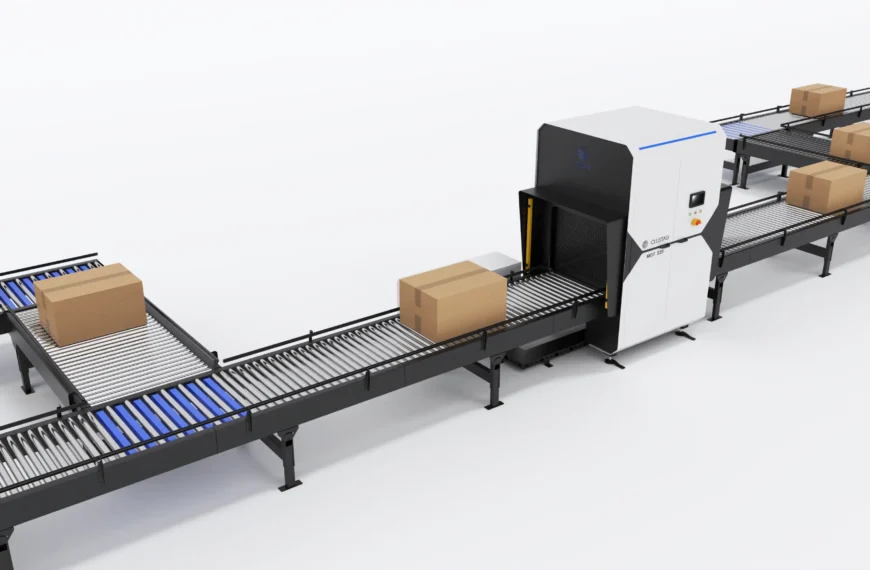
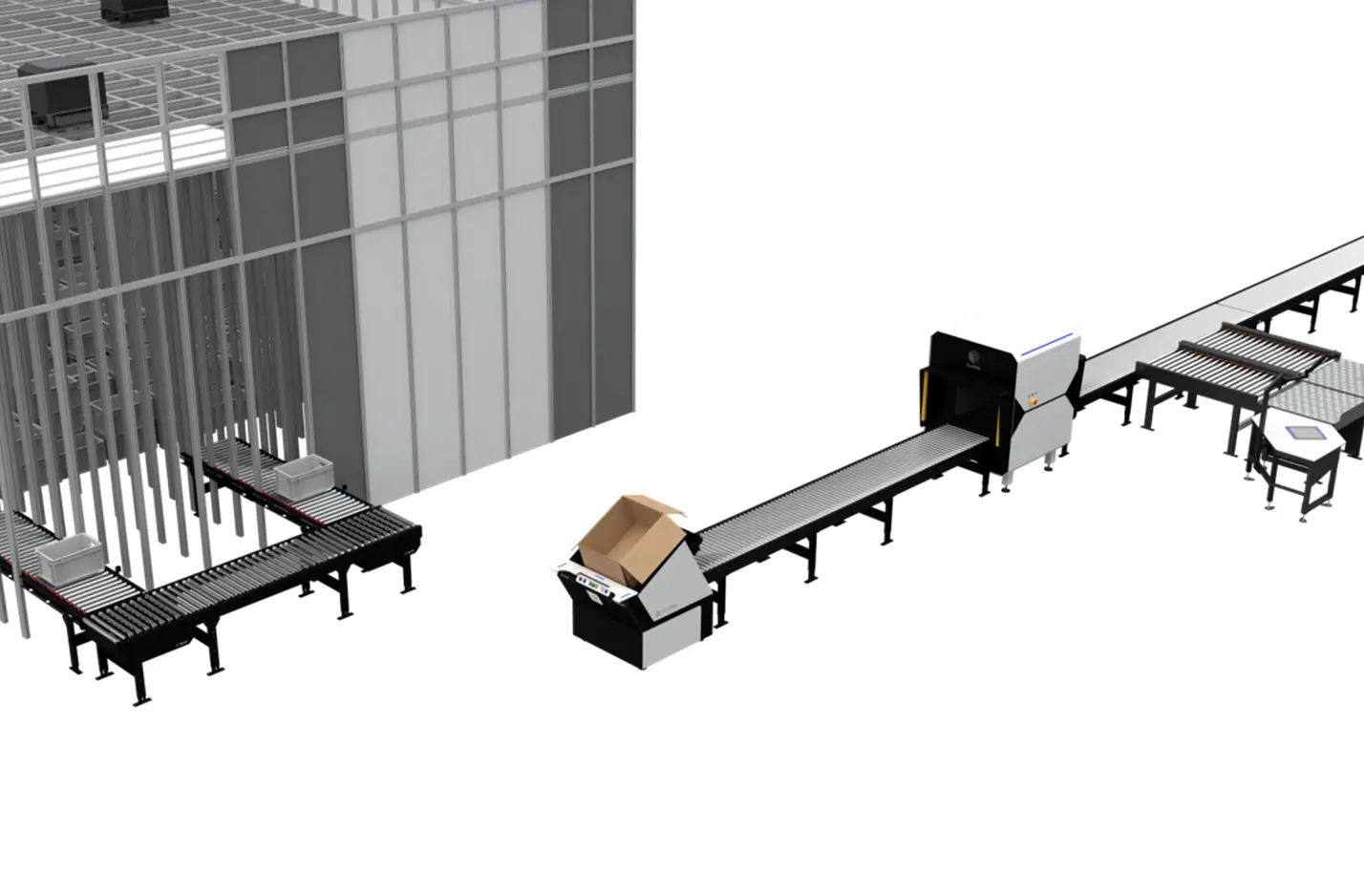
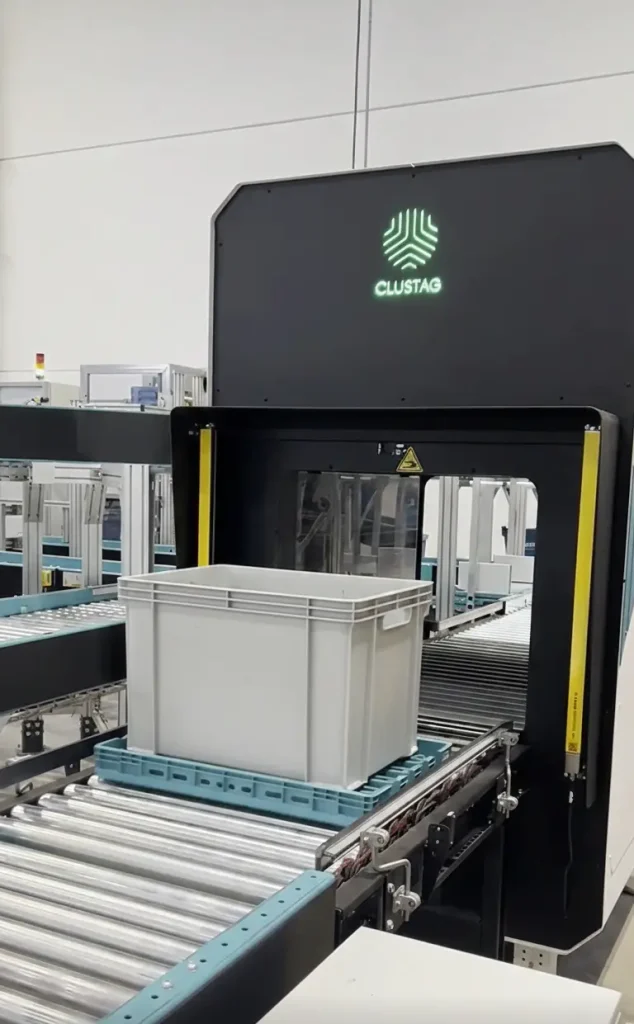
One of the main advantages of an automated infeed is the ability to consolidate multiple validation tasks into a single, continuous flow. This reduces handling, accelerates inbound throughput and minimizes operational friction.
By integrating identification, weighing and volume measurement, warehouses gain a reliable and repeatable process that supports AS/RS performance at scale.
RFID, weight and volume capture at infeed
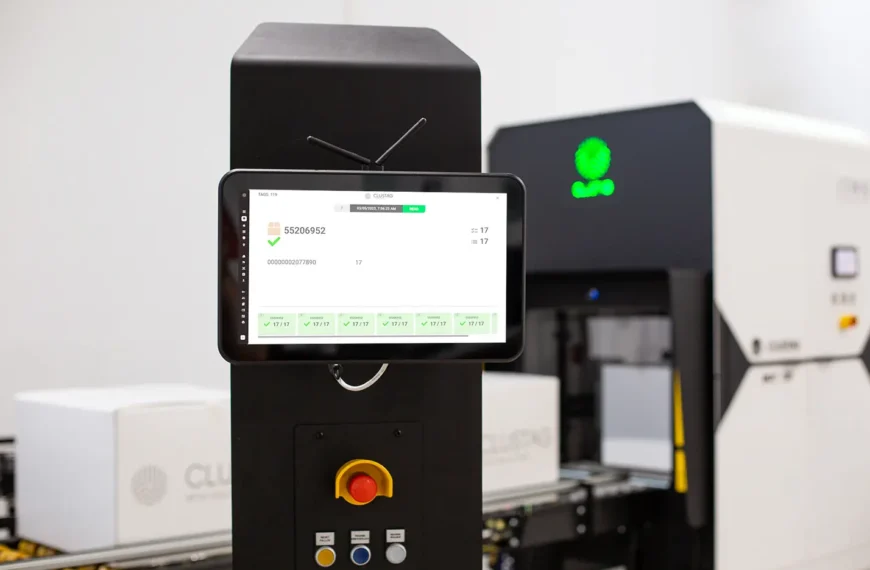
Modern automated infeed systems combine RFID reading, dynamic weighing and volumetric measurement in motion. This approach removes manual checks and validates every carton, tote, or parcel before it enters automated storage.
Improving data accuracy with Zentup from day one
Accurate inbound data supports better inventory control, faster storage decisions and fewer exceptions. For high-volume warehouses, this level of precision is critical to maintain stable performance over time.
Optimizing storage slotting with automated infeed for AS/RS data
Storage slotting decisions are only as good as the data that feeds them. When AS/RS systems receive incomplete or incorrect dimensions, space utilization and system efficiency suffer.
An automated infeed provides the dimensional intelligence required to allocate storage locations correctly from the outset.
Enabling smart slotting decisions in AS/RS
With verified item dimensions and identification, shuttles and cranes can automatically select the optimal storage position. This improves space utilization, reduces congestion and minimizes unnecessary relocation cycles.
Reducing exceptions in automated storage systems
Exceptions are one of the biggest threats to AS/RS performance. Even minor discrepancies can force automated systems to stop, reroute or require manual intervention.
Automated infeed solutions act as a control gate, detecting inconsistencies before items enter the automated core of the warehouse.
Preventing disruptions before they enter the AS/RS
The system identifies issues such as unreadable tags, incorrect carton sizes, or unexpected weights early. The system diverts items that do not meet validation criteria to exception lanes, keeping automated flows uninterrupted.
Stopping error propagation across warehouse processes
By validating data at the source, warehouses prevent errors from cascading into storage, picking and outbound operations, where corrections are significantly more costly.
Enhancing traceability with smart RFID intralogistics
Beyond operational efficiency, automated infeed plays a critical role in traceability and quality assurance. Capturing item-level data at entry creates a digital record that follows each unit through the warehouse.
This level of visibility supports compliance, auditing and service transparency across supply chains.
Improving inventory visibility and accountability
Smart RFID intralogistics solutions enable accurate inventory reconciliation, reduce disputes and improve accountability in both B2B and B2C environments.
Maximizing AS/RS ROI with a reliable infeed process
AS/RS systems represent a significant investment, and their performance depends heavily on inbound data quality. Strengthening the infeed process is one of the most effective ways to increase return on investment without major infrastructure changes.
Supporting Scalable and Future-Ready Operations
A robust automated infeed allows warehouses to adapt to changing product mixes, seasonal peaks and business growth while maintaining consistent AS/RS performance.
At Clustag, we design automated infeed solutions that enhance AS/RS performance through precise data capture, Smart RFID technology and seamless system integration. Visit our Customer Experience Centre to see our solutions in action and experience the speed, accuracy, and traceability that Clustag can bring to your warehouse. To explore how our RFID solutions can be tailored to your specific needs, fill out our contact form and one of our experts will guide you through a personalized demonstration.
FAQ
An automated infeed in AS/RS systems is the process where inbound items are automatically identified, weighed and measured before entering automated storage. It ensures accurate data capture at the entry point, enabling efficient storage, sequencing and retrieval operations.
Automated infeed is critical for AS/RS performance because automated storage systems rely on precise inbound data. Accurate identification, weight and volume information reduce exceptions, prevent disruptions and allow AS/RS equipment to operate at full capacity.
Automated infeed reduces exceptions by validating inbound items before they enter the AS/RS. Incorrect dimensions, unreadable tags or unexpected weights are detected early and diverted to exception handling areas, preventing system interruptions.
During an automated inbound process, systems typically capture item identification using RFID, along with accurate weight and volume measurements. This data is used to optimize storage allocation and improve overall warehouse efficiency.
Yes, automated infeed improves ROI on existing AS/RS systems by enhancing data quality without major infrastructure changes. Better inbound data increases throughput, reduces downtime and extends the operational lifespan of automation assets.