Category: AS/RS

  • How an automated infeed elevates AS/RS performance

    How an automated infeed elevates AS/RS performance

    An automated infeed for AS/RS performance is the foundation of fast, predictable and error-free warehouse operations. While shuttles, cranes and high-density storage systems are essential, their real efficiency depends on the quality of inbound data. When identification, weight or volume information is incomplete, even the most advanced AS/RS struggles to perform at scale.

    By automating the inbound entry point and capturing accurate data in a single step, warehouses can improve flow, reduce exceptions and unlock full inventory visibility from the very first meter of the process.

    Why automated infeed is critical for AS/RS performance?

    Automated Storage and Retrieval Systems depend entirely on the reliability of inbound information. The infeed area generates, validates, and distributes operational data across the entire warehouse ecosystem.

    An automated infeed for AS/RS performance ensures that every item enters the system with verified identification, dimensions and weight. This structured data foundation enables automated decisions downstream and prevents disruptions that are difficult to correct later in the process.

    Ensuring data consistency from the entry point

    When people capture inbound data manually or in multiple steps, they almost inevitably introduce inconsistencies. Automated infeed solutions eliminate these gaps by standardizing data capture at the source.
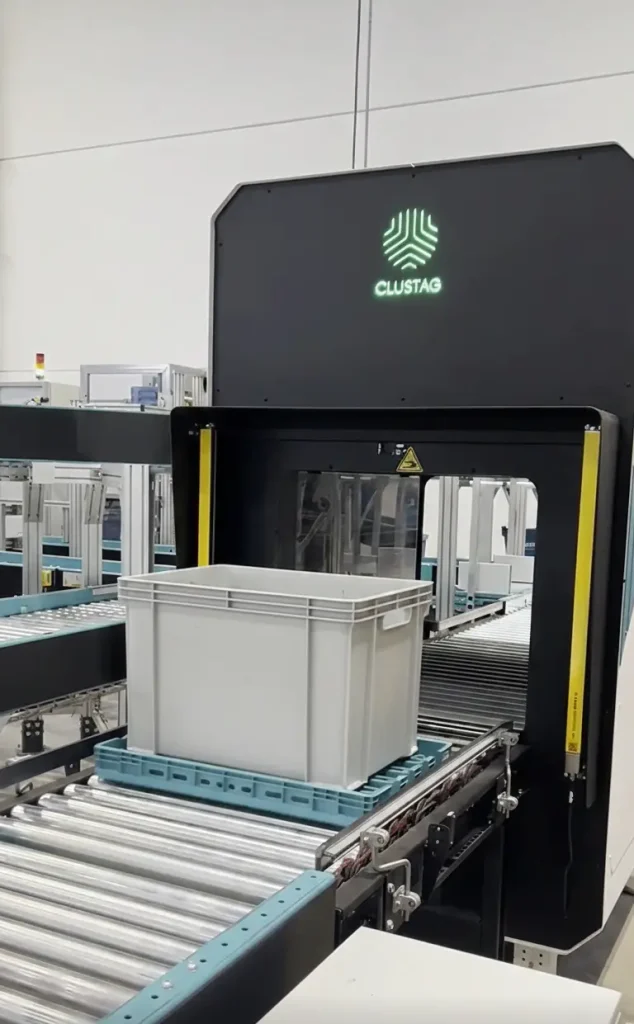
    Automated RFID infeed station by Clustag scanning a plastic tote on a conveyor inside a warehouse.

    Capturing inbound data in a single automated step

    One of the main advantages of an automated infeed is the ability to consolidate multiple validation tasks into a single, continuous flow. This reduces handling, accelerates inbound throughput and minimizes operational friction.

    By integrating identification, weighing and volume measurement, warehouses gain a reliable and repeatable process that supports AS/RS performance at scale.

    RFID, weight and volume capture at infeed

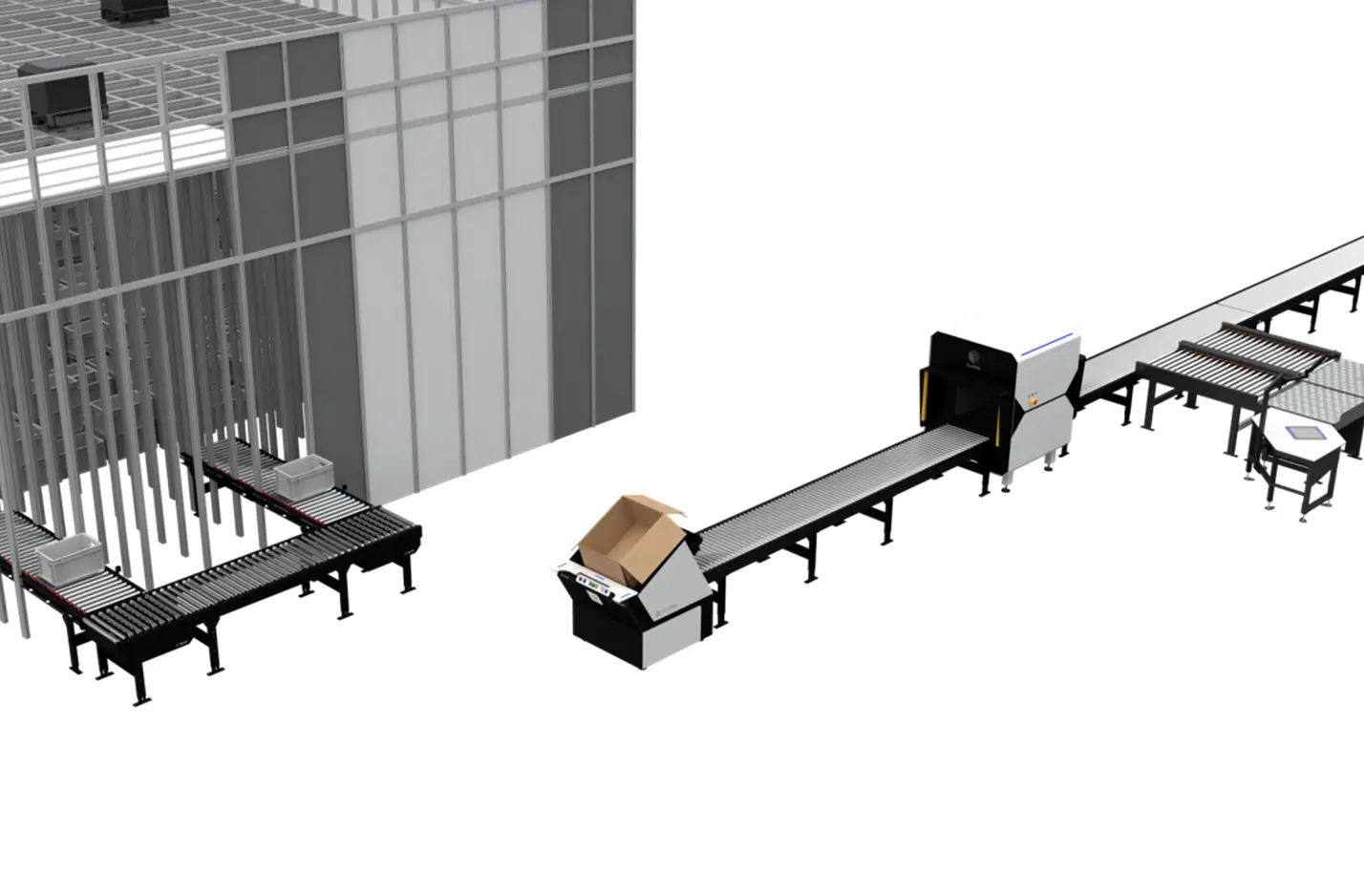
    Modern automated infeed systems combine RFID reading, dynamic weighing and volumetric measurement in motion. This approach removes manual checks and validates every carton, tote, or parcel before it enters automated storage.

    Improving data accuracy with Zentup from day one

    Accurate inbound data supports better inventory control, faster storage decisions and fewer exceptions. For high-volume warehouses, this level of precision is critical to maintain stable performance over time.

    Optimizing storage slotting with automated infeed for AS/RS data

    Storage slotting decisions are only as good as the data that feeds them. When AS/RS systems receive incomplete or incorrect dimensions, space utilization and system efficiency suffer.

    An automated infeed provides the dimensional intelligence required to allocate storage locations correctly from the outset.

    Enabling smart slotting decisions in AS/RS

    With verified item dimensions and identification, shuttles and cranes can automatically select the optimal storage position. This improves space utilization, reduces congestion and minimizes unnecessary relocation cycles.

    Reducing exceptions in automated storage systems

    Exceptions are one of the biggest threats to AS/RS performance. Even minor discrepancies can force automated systems to stop, reroute or require manual intervention.

    Automated infeed solutions act as a control gate, detecting inconsistencies before items enter the automated core of the warehouse.

    Preventing disruptions before they enter the AS/RS

    The system identifies issues such as unreadable tags, incorrect carton sizes, or unexpected weights early. The system diverts items that do not meet validation criteria to exception lanes, keeping automated flows uninterrupted.

    Stopping error propagation across warehouse processes

    By validating data at the source, warehouses prevent errors from cascading into storage, picking and outbound operations, where corrections are significantly more costly.

    Enhancing traceability with smart RFID intralogistics

    Beyond operational efficiency, automated infeed plays a critical role in traceability and quality assurance. Capturing item-level data at entry creates a digital record that follows each unit through the warehouse.

    This level of visibility supports compliance, auditing and service transparency across supply chains.

    Improving inventory visibility and accountability

    Smart RFID intralogistics solutions enable accurate inventory reconciliation, reduce disputes and improve accountability in both B2B and B2C environments.

    Maximizing AS/RS ROI with a reliable infeed process

    AS/RS systems represent a significant investment, and their performance depends heavily on inbound data quality. Strengthening the infeed process is one of the most effective ways to increase return on investment without major infrastructure changes.

    Supporting Scalable and Future-Ready Operations

    A robust automated infeed allows warehouses to adapt to changing product mixes, seasonal peaks and business growth while maintaining consistent AS/RS performance.

    At Clustag, we design automated infeed solutions that enhance AS/RS performance through precise data capture, Smart RFID technology and seamless system integration. Visit our Customer Experience Centre to see our solutions in action and experience the speed, accuracy, and traceability that Clustag can bring to your warehouse. To explore how our RFID solutions can be tailored to your specific needs, fill out our contact form and one of our experts will guide you through a personalized demonstration.


    What is an automated infeed in AS/RS systems?

    An automated infeed in AS/RS systems is the process where inbound items are automatically identified, weighed and measured before entering automated storage. It ensures accurate data capture at the entry point, enabling efficient storage, sequencing and retrieval operations.

    Why is automated infeed important for AS/RS performance?

    Automated infeed is critical for AS/RS performance because automated storage systems rely on precise inbound data. Accurate identification, weight and volume information reduce exceptions, prevent disruptions and allow AS/RS equipment to operate at full capacity.

    How does automated infeed reduce exceptions in AS/RS environments?

    Automated infeed reduces exceptions by validating inbound items before they enter the AS/RS. Incorrect dimensions, unreadable tags or unexpected weights are detected early and diverted to exception handling areas, preventing system interruptions.

    What data is captured during an automated inbound process?

    During an automated inbound process, systems typically capture item identification using RFID, along with accurate weight and volume measurements. This data is used to optimize storage allocation and improve overall warehouse efficiency.

    Can automated infeed improve ROI on existing AS/RS systems?

    Yes, automated infeed improves ROI on existing AS/RS systems by enhancing data quality without major infrastructure changes. Better inbound data increases throughput, reduces downtime and extends the operational lifespan of automation assets.
  • Order preparation AS/RS for faster and more accurate warehouse picking

    Order preparation AS/RS for faster and more accurate warehouse picking

    Efficient order fulfilment is one of the biggest challenges in modern automated warehouses. Companies rely on Automated Storage and Retrieval systems to optimize space utilization and accelerate the movement of goods. Order preparation AS/RS systems deliver precision, speed, and automation throughout the picking process. Even the most advanced setups benefit from smart verification tools. That’s where RFID technology makes the difference. By integrating RAIN RFID-based verification into order preparation AS/RS, warehouses can achieve complete accuracy, real-time visibility, and smooth operator workflow that eliminate costly errors and inefficiencies.

    With warehouses managing thousands of SKUs and hundreds of orders per hour, every second counts. rfid solutions such as those developed by Clustag bring intelligence and automation to the picking stage, ensuring that every item is correctly identified, validated, and tracked in real time. The result is a fully reliable and efficient order preparation process that enhances both productivity and accuracy.

    What is order preparation in AS/RS systems?

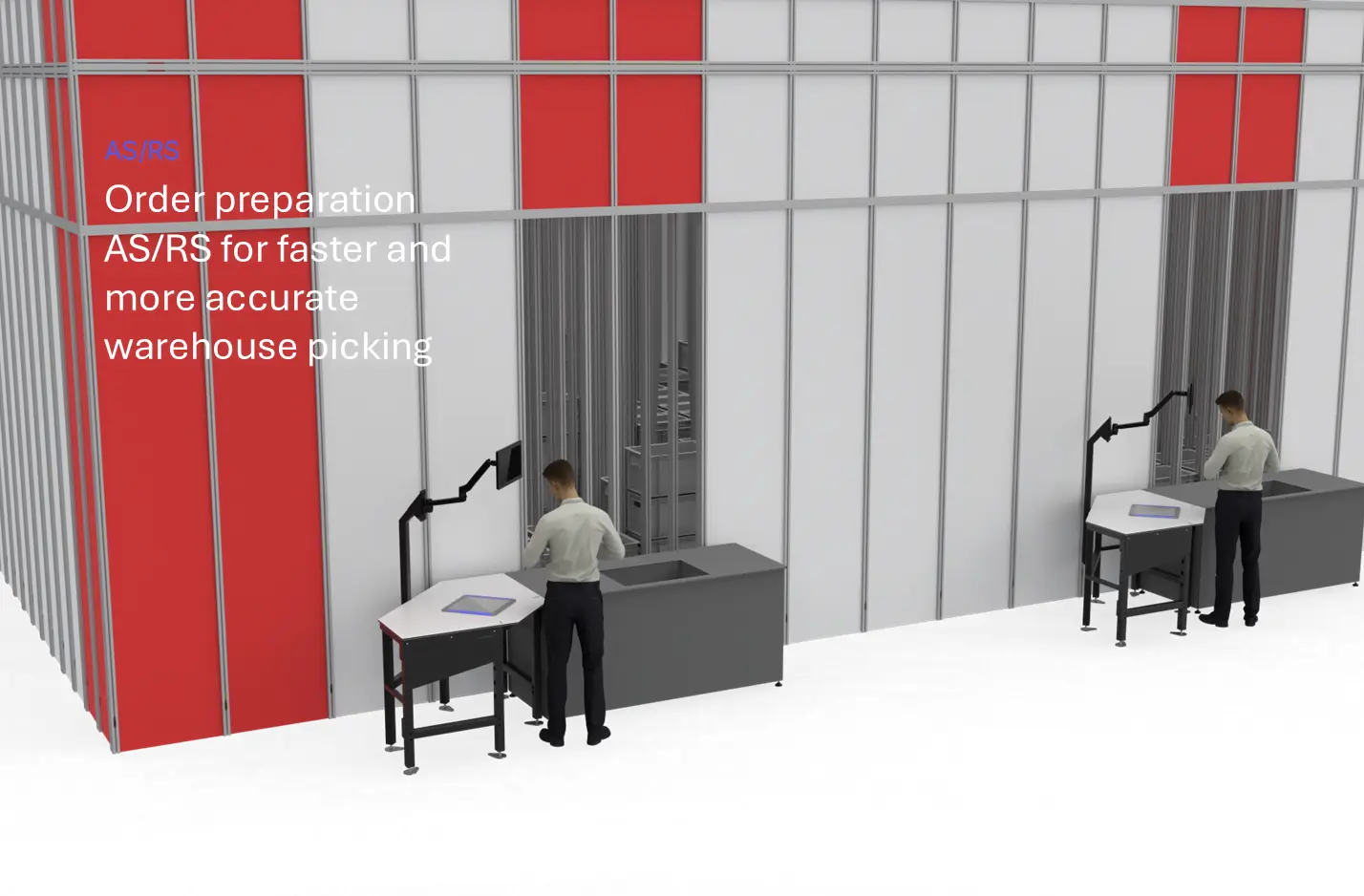
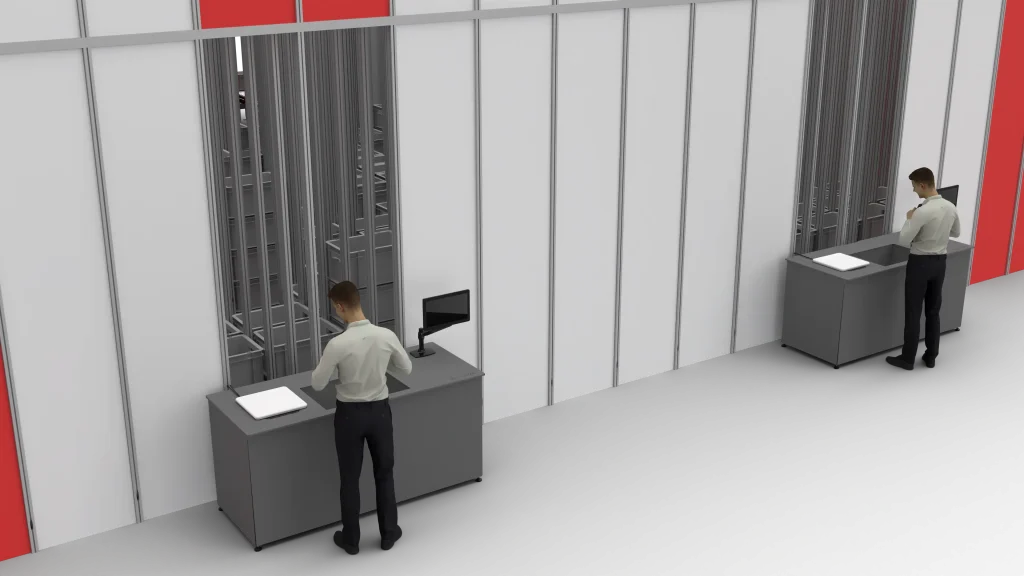
    Order preparation is a crucial part of warehouse operations, especially in Automated Storage and Retrieval Systems (AS/RS). In these environments, orders are fulfilled from storage bins automatically delivered to picking stations, where operators select the items required for each order. Autostore systems often serve as the backbone of such setups, ensuring seamless bin delivery.

    While AS/RS systems automate the transport and retrieval of goods, manual unit picking can still be prone to errors if verification is not automated. Misplaces, missing, or incorrect items can compromise both inventory accuracy and customer satisfaction.

    Adding RFID verification during order preparation AS/RS eliminates this weak point. Each item is identified instantly and validated against the digital order, preventing discrepancies and ensuring that the right product reaches the right customer every time.

    How RFID enhances order preparation AS/RS

    RFID technology seamlessly integrates with AS/RS picking stations to bring full transparency and automation to the process. By using RAIN RFID tags for unit-level identification, warehouses can improve speed, accuracy, and visibility at every stage of order preparation.

    Operator no longer need to rely solely on manual barcode scanning or visual checks. RFID-enabled workstations automatically recognize items, confirm correct solutions, and send real-time updates to warehouse management systems. This results in fasters workflows and dramatically fewer picking errors.

    Key benefits of RFID in order preparation AS/RS

    Integrating RFID into order preparation AS/RS delivers measurable operational improvements that go far beyond speed alone. From minimizing errors to empowering operators with real-time insights, RFID technology transforms the picking process into a smarter, more efficient, and fully traceability workflow. Autostore integration further streamlines order fulfillment by reducing manual handling.

    AS/RS delivers bins automatically

    The system retrieves the bins containing required SKUs and brings them to the picking station, eliminating unnecessary operator movement.

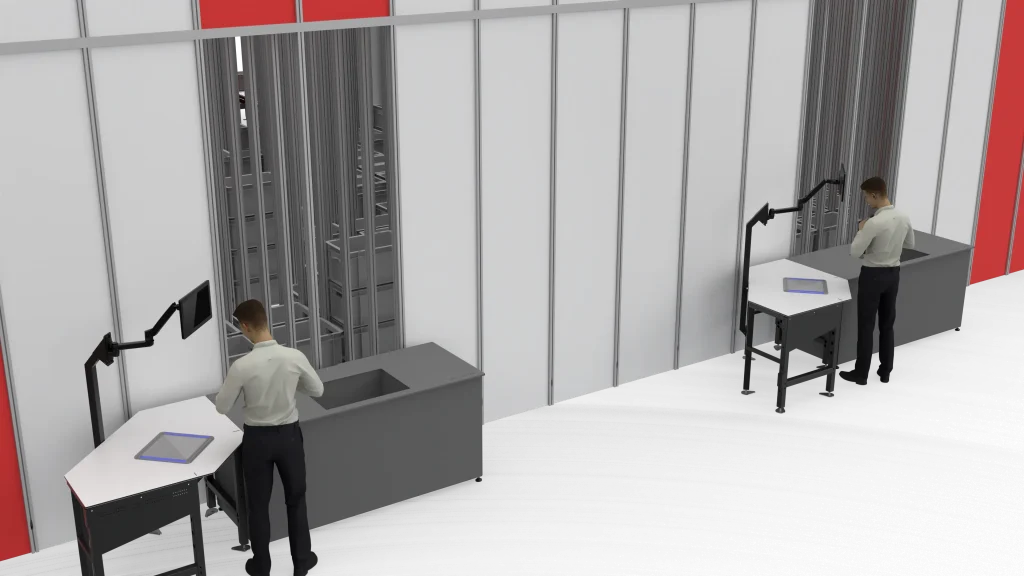
    Operator picks items at the RFID workbench

    The operator removes the indicated items and places them on a RFID-enabled workbench for automatic validation.

    Automatic RFID verification

    The workbench instantly verifies that all items correspond to the digital order, ensuring perfect accuracy before proceeding.

    Real-time feedback and confirmation

    The system provides instant confirmation or alerts, allowing operators to correct errors immediately and maintain workflow continuity

    Continuous and traceable process

    Every item picked is logged in real time, creating a fully traceable and auditable process that supports quality control and performance tracking

    This streamlined workflow not only improves productivity but also enables warehouses to maintain precise inventory data and ensure customer satisfaction through perfect order execution

    Flexible and scalable solutions

    One of the key advantages of RFID technology is its flexibility. It can be adapted to any order preparation AS/RS environment, whether upgrading existing infrastructure or designing a new warehouse. RFID-enabled workbenches and readpoints can be customized to fit each client’s operational layout, allowing seamless integration with AS/RS ports and business systems like ERP, SAP or WMS. Autostore solutions are particularly effective in multi-level setups for high-density storage.

    This adaptability makes it possible for warehouses across industries; retail, fashion, healthcare, and manufacturing, to benefit from the same level of automation, accuracy, and efficiency.

    Real-time operator support with workflow integration

    The Zentup Workflow, part of the Zentup suite, provides operators with real-time guidance during order preparation AS/RS, helping reduce human error and streamline picking operations. Keyfeatures include:

    • Instant EPC-level validation of every item picked
    • Real-time visualization of order progress, showing:
      • Expected items
      • Missing items
      • Unexpected items
      • Excess items
    • User-friendly UI/UX for intuitive operation
    • Seamless integration with client systems such as ERP, SAP, or WMS

    By combining RFID verification with Zentup Workflows, operators receiv step-by-step assistance and real-time feedback, ensuring every order is accurate, traceable, and efficiency processed. This integration maximizes speed, reliability, and overall operational confidence.

    Measurable impact on warehouse operations

    Integrating RFID into order preparation AS/RS has a tangible impact on warehouse efficiency and reliability:

    • Faster picking: reduce preparation time per order and increase throughput
    • Fewer errors: minimize returns and rework due to picking mistakes
    • Full traceability: track every item in real time for improved inventory accuracy
    • Optimized workforce: let operators focus on higher-value tasks while RFID handle validation

    With these advantages, RFID transform order preparation AS/RS into a streamlined, data-driven process that enhances speed, accuracy, and operational confidence. Warehouses adopting this technology position themselves to meet growing customer demands with efficiency and reliability.

    Discover firsthand how RFID technology can transform your order preparation AS/RS operations. Visit our Customer Experience Centre to see our solutions in action and experience the speed, accuracy, and traceability that Clustag can bring to your warehouse. To explore how our RFID solutions can be tailored to your specific needs, fill out our contact form and one of our experts will guide you through a personalized demonstration. Don’t miss the opportunity to optimize your warehouse processes and take your order preparation to the next level.

  • How to optimize inventory with cycle count AS/RS

    How to optimize inventory with cycle count AS/RS

    In highly automated intralogistics environments, automated storage and retrieval systems (AS/RS) operate continuously. Consequently maintaining accurate inventory, traceability, and operational efficiency becomes a major challenge. To address this, companies implement a Cycle Count AS/RS process using Clustag’s RFID technology. This solution not only ensures real-time inventory control but also eliminates manual workloads and minimizes human errors.

    By combining AS/RS systems with Clustag’s RFID solutions, companies can enhace warehouse efficiency, achieve seamless traceability , and optimize storage process across complex operations.

    Understanding cycle count in AS/RS environments

    Cycle counting is a method of auditing inventory on a continual basis, rather than performing full physical inventories. In automated warehouses, this process must be fully integrated with AS/RS systems to avoid disrupting the flow of goods.

    Key principles

    A Cycle count AS/RS ensures that selected bins or totes are counted at regular intervals without halting warehouse operations. By using RFID technology, each unit within a bin can be read instantly and automatically, guaranteeing precision and reliability. This main principles include:

    Common challenges in manual cycle counting

    Without automation, cycle counting is prone to errors caused by human handling, mislabeling, and misplacement. These errors can lead to inaccurate stock levels, delayed shipments, and increased operational costs. By automating the process within an AS/RS, these challenges are minimized. Autostore solutions can further reduce these errors by automating bin handling and transport.

    How Clustag enhances cycle count in AS/RS

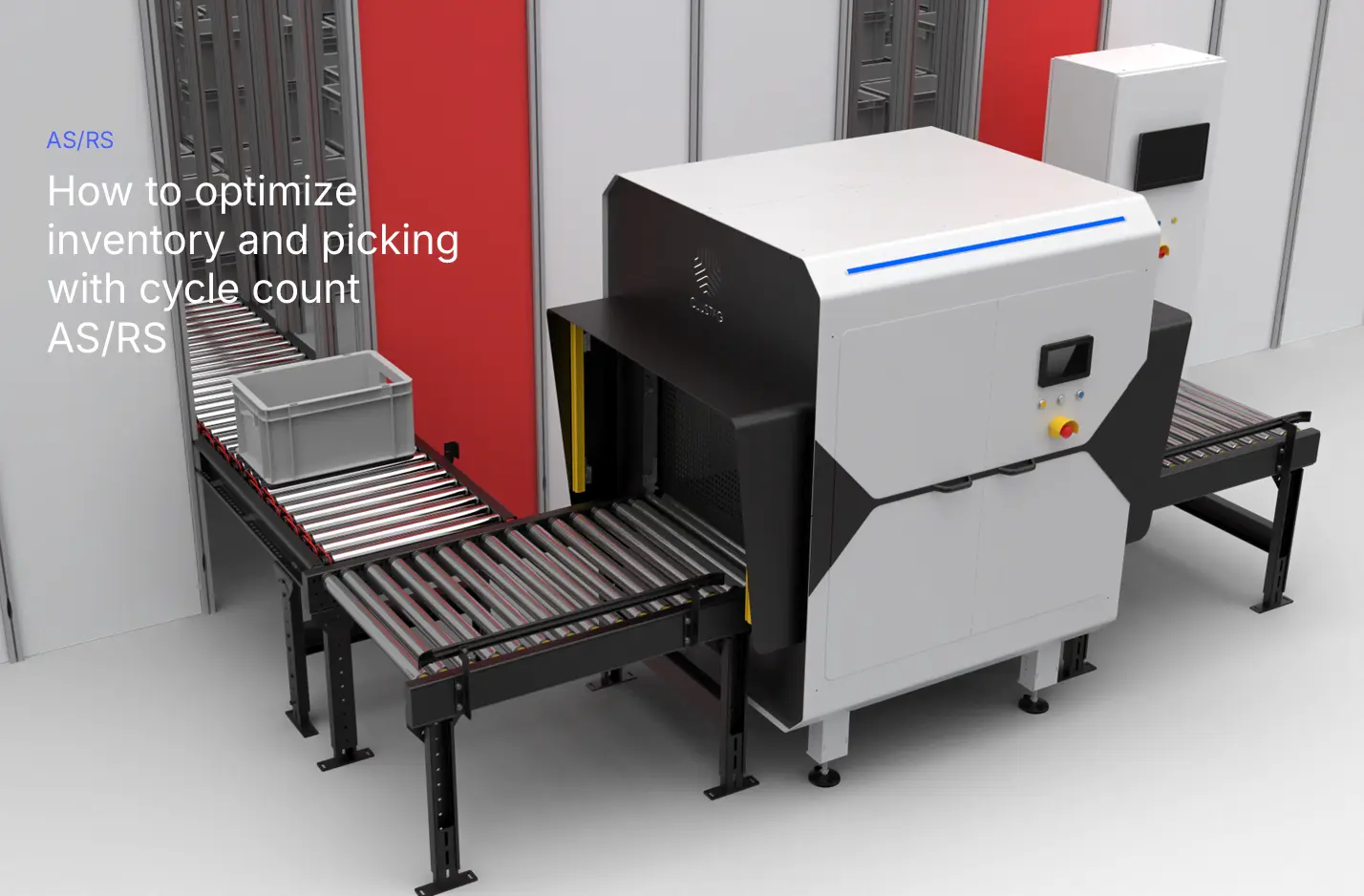
    Clustag integrates the MOT S24 Slim RFID station directly into the AS/RS conveyor system. As a result, Cycle Counting occurs without interrupting operations and maintains maximum reliability.

    Step 1: Bin selection and transport

    The AS/RS system identifies bins scheduled for auditing based on a predefined cycle count schedule. These bins are automatically transported to the MOT S24 Slim Station, ensuring smooth and continuous workflow.

    Step 2: Automated RFID readings

    Once the bins arrive at the station, the system instantly scans all items using Clustag’s RFID technology. Thanks to patented shielding technology, it avoids cross-reading errors and eliminates the need for manual handling.

    Step 3: Real-time synchronization

    RFID data captured by the MOT S24 Slim is transmitted via Zentup. Clustag’s middleware platform. Zentup ensures seamless integration with ERP and WMS systems, providing real-time updates and full inventory traceability.

    Step4: Continuous operation

    The system operates 27/, including off-hours. This ensures that cycle counting is performed continuously without impacting other warehouse processes.

    Key benefits of cycle count AS/RS with Clustag

    Implementing a cycle count AS/RS with Clustag provides measurable operational advantages:

    Automated inventory management

    The system performs inventory counts automatically, which reduces the need for manual labor and minimizes human errors.

    Continuous warehouse operation

    By integrating RFID scanning into the AS/RS, the system conducts inventory audits without stopping workflows, thus maintaining productivity and efficiency

    High accuracy and reliability

    Clustag solutions achieve up to 99,96% RFID reading rates, ensuring accurate stock levels at all times.

    Rapid ROI

    Automation reduces labor costs and optimizes inventory management, delivering a fast return on investment.

    Scalable and flexible

    The system, can handle up to 1000 boxes per hour and accommodates various bin sizes, making it suitable for warehouses of all sizes. Autostore setups in particular allow scaling to very high-density storage environments.

    Best practices for implementing cycle count AS/RS

    To maximize the benefits of cycle counting with an AS/RS, consider the following strategies:

    Process standardization

    First establish clear schedules and procedures for cycle counting. Then, automate bin selection, transport, and data capture to maintain consistency.

    Staff training and oversight

    Even in automated environments, trained staff should monitor processes to address exceptions and ensure system efficiency.

    Continuous monitoring

    Use Clustag’s Zentup to track cycle count results in real-time. This enables rapid reponse to discrepancies and ensures continuous process improvement.

    Integration with enterprise systems

    Connect RFID data to your WMS and ERP for synchronized stock updates, accurate reporting, and comprehensive inventory traceability.

    Real-world results with Clustag

    Clustag’s Cycle Count AS/RS implementations have shown significant results across various industries

    Integrating Clustag’s RFID solutions into AS/RS systems tranforms cycle counting into a fast, accurate, and fully automated process. Companies gain operational visibility, minimize human errors, and optimize warehouse performance while ensuring complete inventory traceability

    Discover how Clustag can help your warehouse implement Cycle Count AS/RS with efficiency and precision. Contact our experts to design a solution tailored to your operations and to visit our customer experience centre to see in action.