
In today’s logistics landscape, understanding how to reduce human errors in a warehouse is essential to maintain competitiveness and customer satisfaction. Even minor errors in pick & pack or order preparation can result in costly rework, delayed deliveries, and damaged brand reputation. Every error in the warehouse, whether it’s a misplaced item, an incorrect shipment, or a counting deviation, directly impacts operational efficiency and profitability. At Clustag, we believe that eliminating these risks is not just about avoiding mistakes but about building smarter, more reliable processes that drive long-term value.
What is human error in logistics?
Reducing mistakes in warehouse operations begins with understanding them. Human error in logistics goes beyond simple oversights; it is a complex phenomenon influenced by system design, workload, and operational culture. By analysing these errors, we can implement targeted solutions that prevent recurrence and improve overall efficiency.
Errors, slips, lapses, and mistakes
Human errors manifest in multiple forms. Slips occur where a well-intentioned action is executed incorrectly, while lapses happen when steps are forgotten. Mistakes involve incorrect decisions based on flawed judgment or inadequate knowledge. Recognizing these distinctions allows us to design systems that prevent errors before they affect operations, transforming reactive management into proactive control.
Common types of human errors in order picking
Errors during order picking are among the most frequent in warehouse. These include picking the wrong product, incorrect quantities, misplaced items, or skipping steps in the process. Each type of error disrupts downstream operations, increases the likelihood of returns, and ultimately impacts the customer experience.
Root causes of human error in order preparation
Underlying these errors are common root causes: poor process design, inadequate training, manual handling without support, and the absence of real-time monitoring. Environmental factors, like warehouse layout and product labelling, also contribute. Addressing these root causes requires a combination of operational redesign, technology integration, and continuous staff development.
Key strategies for human error prevention in logistics
Preventing errors in warehouse operations is less about assigning blame and more about creating resilient systems. By leveraging design thinking, technology, and structures learning, we can significantly minimize mistakes and improve efficiency.
Process design and simplification
Simplifying workflows reduces the opportunity for human error. Streamlined pick and pack procedures, standardized steps, and clear labeling help employees execute tasks correctly the first time. Clustag’s solutions enable visual and RFID-based guidance systems that make complex operations intuitive, allowing workers to focus on execution rather than memorization.
Mistake-proofing (Poka-Yoke) applied to order picking
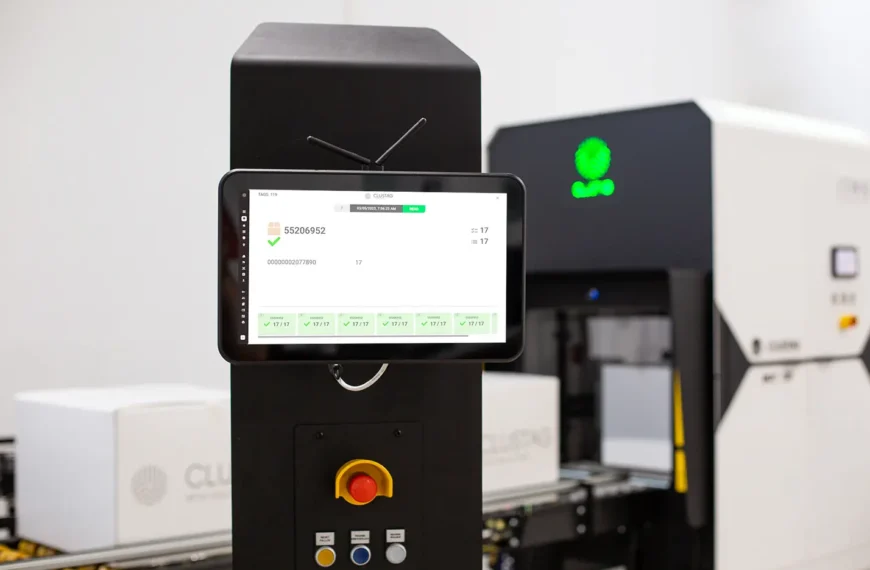
Poka-Yoke, or mistake-proofing, is a practical approach to error prevention. In warehouse operations, this can involve automated alerts for incorrect item selection, guided picking systems, and verification checks. Clustag’s RFID solutions provide real-time validation of products during preparation, ensuring that any deviation from the correct order triggers an immediate correction.
Automation and digital assistance technologies
Automation is not about replacing human workers; it’s about augmenting their capabilities. Digital tools, scanning systems reduce reliance on memory and manual checks. With Clustag’s advanced RFID tracking and monitoring, warehouses gain a layer of digital oversight that prevents errors before they escalate into costly problems. Automation also helps in high-volume warehouses where repetitive tasks increase the likelihood of mistakes, allowing staff to focus on complex decisions and customer-focused activities.
Continuous training and learning from mistakes
Even with the most robust systems, human skill remains critical. Structured training programs, combined with data insights from previous errors, allow teams to learn continuously. Clustag’s solutions generate actionable performance metrics, identifying petters that inform targeted training and process refinement. This creates a culture of improvements where human error is reduced over time, and employees are empowered with knowledge rather that burdened by repetitive manual checks.
Monitoring and feedback in real-time
Real-time feedback loops are crucial for preventing errors as they occur. Dashboards and alerts can immediately highlight deviation from standards procedures. By integrating Clustag technology into warehouse operations, managers receive instant notifications, enabling rapid intervention and minimizin downstream impact. Continuous monitoring also provides the data needed to optimize warehouse layouts, stock placement, and order routing to further reduce human error.
Step-by-step application: implementing human error prevention in order picking
Implementing effective error prevention requires a structured approach. The following steps illustrate how warehouses can translate strategy into action.
Map and assess risks
The first step is to identify high-risk areas within the picking process. By mapping workflows and tracking error patterns, we can pinpoint where human mistakes are most likely to occur. Clustag’s RFID tracking provides precise data, highlighting vulnerabilities that may otherwise go unnoticed.
Choose preventive control methods
Next, select the right preventive measures, be it process redesign, digital assistance, or mistake-proofing techniques. Clustag’s solutions allow warehouses to deploy tailored controls that match operational needs, ensuring that prevention is specific, actionable, and measurable.
Pilot and test improvements
Before full-scale implementation, pilot solutions in controlled environments. Testing ensures that chosen methods effectively reduce errors and integrate seamlessly with existing operations. Real-time analytics from Clustag systems provide critical insights during this phase, interactive refinement and demonstrating tangible benefits to teams and stakeholders.
Scale and standardize
Once validated, successful measures hold be standardized across all relevant operations. This includes updating SOPs, training staff, and implementing technology at scale. With Clustag, scaling is efficient, supported by adaptable RFID platforms that maintain accuracy and reliability across multiple sites.

Real-world success: Nike’s RFID transformation in Eastern Europe
Nike’s exclusive distributor in the Balkans, Sport Time, faced major challenges managing high-volume, diverse inventory across eight countries. Manual post-pick controls, slow item verification, and lack of real-time visibility were leading to frequent errors, shipment mismatches, and operational inefficiencies.
Sport time implemented a fully integrated RFID solutions thanks to Clustag covering:
- Inbound verification: efficient scanning of incoming goods at item levels using RFID.
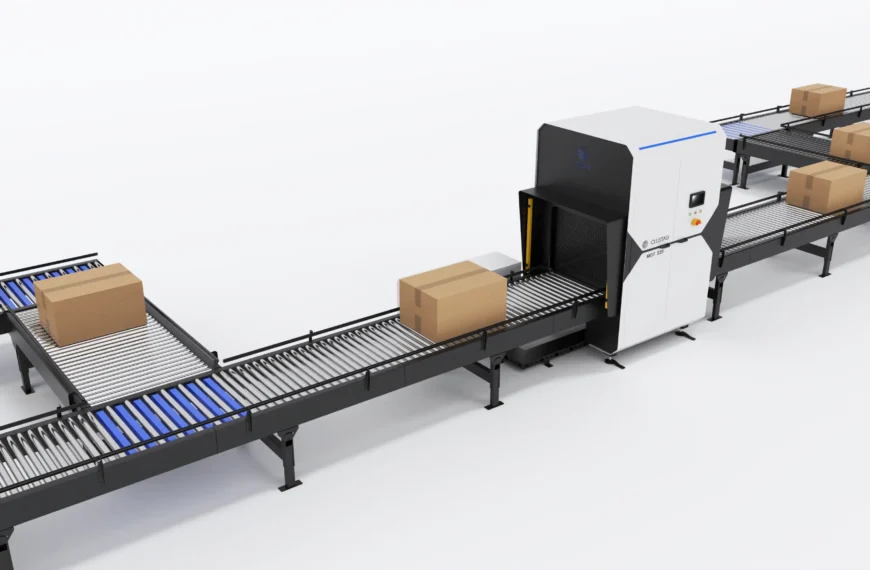
- Post-pick control: orders packed are instantly verified, with any discrepancies rerouted to audit stations for real-time correction.
- Outbound verification: each shipment validated with RFID before dispatch to ensure accuracy.
- Centralized platform: integration of all warehouse and sport goods operations for visibility and data-driven optimization.
“With RFID, we’re not just talking about process improvement, but about complete transformation. Instead of lengthy and manual receiving processes, we now how have the ability to accurately verify hundreds of items in just a few seconds” – Bojan Djordjevic, Regional MPO and logistics director, Sport-Time
Measurable results
The impact was immediate and transformative:
- 100% item-level accuracy from warehouse to store.
- 66% of retail items tracked with complete traceability.
- Hundreds of items verified in seconds, eliminating lenghty manual scanning.
- 25% reduction in logistics costs by minimizing shrinkage, stockouts, and human errors.
- 35% boost in operational productivity through automation and streamlined workflows.
- 37% faster response times thanks to real-time coordination across inventory systems.
- Enhanced staff efficiency, freeing teams to focus on value-added tasks like customer engagement.
This success story demonstrates how to reduce human errors in a warehouse through digital transformation, combining automation, traceability, and human-centered process design.
Key takeaways
This case highlights how RFID technology can dramatically reduce human error in pick & pack operations, accelerate fulfilment, and provide real-time inventory visibility. Sport Time’s experience demonstrates that implementing advanced digital solutions not only improves accuracy but also transforms operational efficiency and scalability across multi-country logistics networks.
Take the next step in reducing warehouse errors
Implementing solutions reduce human error in warehouse operations is not just a one-time improvement, it’s a strategic investment in efficiency, accuracy, and customer satisfaction. With Clustag’s RFID technology, visual guidance systems, and data-driven insights, warehouses can transform their pick & pack process, reduce rework, and ensure every order is fulfilled correctly the first time.
Now is the time to explore how to reduce human errors in a warehouse within your own operations. Our experts can guide through process mapping, risk identification, and deployment of RFID-based-errors-prevention tools.
Take action today and discover how Clustag can optimize your warehouse efficiency and operational reliability. Fill out our contact form to get started and visit our customer experience centre.