
In outbound logistic, accuracy is non-negotiable. As the final stage before goods leave the warehouse, outbound verification guarantees that the right items reach the right customer, on time. RFID technology, integrated with middleware like Zentup, performs a key role in automating and securing this process, especially in high-volume, multi-SKU environments.
What is outbound verification?
Outbound verification is the process of confirming that the items prepared for shipment match the customer’s order before dispatch. It serves as a key control point within the outbound logistics process, ensuring accuracy, contractual compliance, and traceability.
Although, it forms part of the outbound logistic value chain, it stands out for its specific focus on validating the products leaving the warehouse. It is especially relevant in sectors where shipping accuracy is non-negotiable, such as retail, 3PL, pharmaceutical and groceries.
Operational flow of outbound logistic with RFID
RFID technology enables fast and automated outbound logistic by capturing item-level data in real time. Here is how it works:
Item-level RFID scanning
- Each product has a unique RFID tag
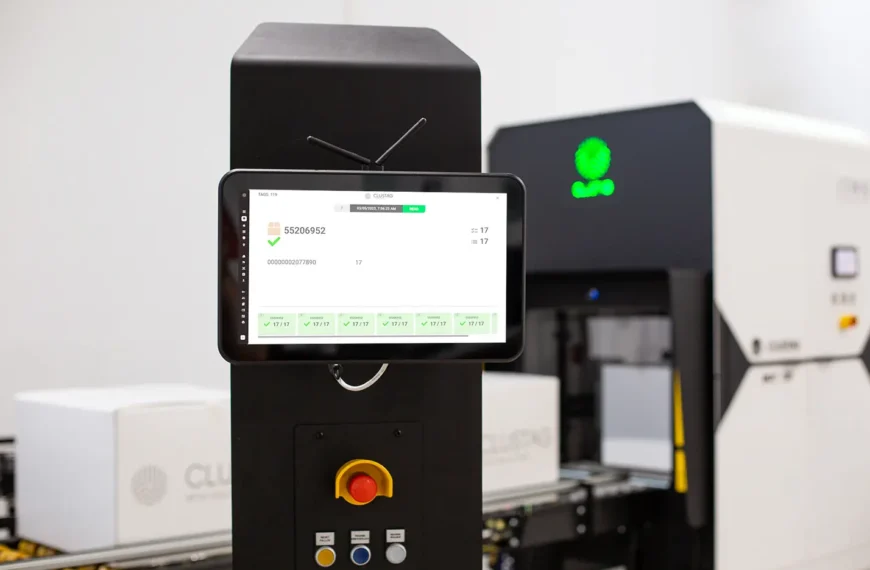
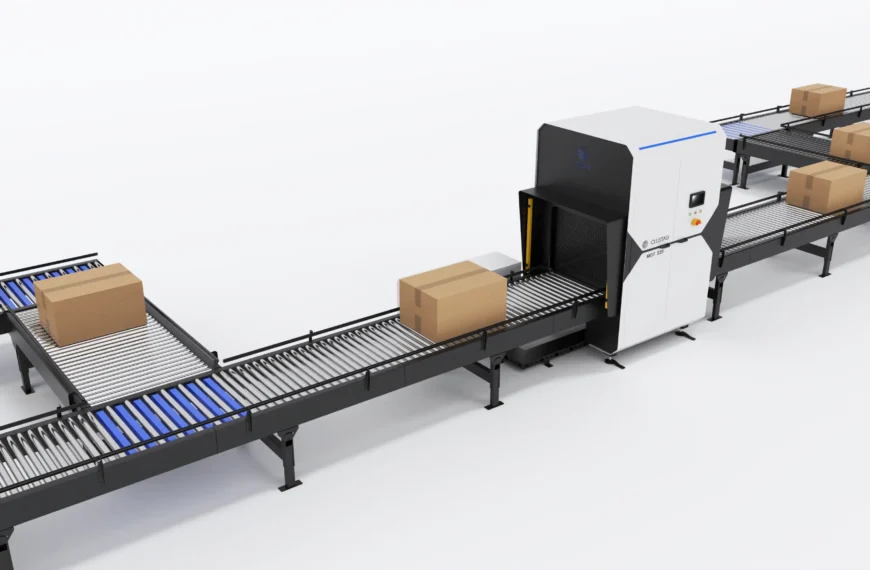
- As items pass thought RFID tunnels or antennas, scanned thousands of items are scanned within seconds
- This process eliminates manual counting and reduces human error, even in high-speed dispatch lines.
Order validation via Zentup middleware
- Zentup connects RFID readers to the ERP o WMS
- Scanned data are automatically compared with the sales order
- Real-time validation confirms that each item belongs to correct shipment, no manual intervention needed.
Discrepancy detection and immediate correction
- The system instantly detects missing, duplicate or incorrect items
- Operators can correct errors before sealing the shipment
- This prevents returns, contractual penalties, improves customer experience.
Final validation and complete traceability
- Once validated, the shipment is marked as ready for dispatch.
- Each item is traceable from the warehouse to the final client.
- This item-level supports audits, returns and regulatory compliance
Operational benefits of RFID-based outbound logistic
Implementing RFID for outbound logistic provides measurable benefits in logistics KPIs:
- Reduced dispatch errors: up to 99,9% accuracy in order preparation.
- Improved OTIF (On time in full): real-time validation, avoids last-minute delays.
- Higher operative efficiency: less time spent on manual checks.
- Lower logistics costs: fewer returns, reworks, and post-sale issues.
- Total visibility: each item is recorded, facilitating traceability and data-driven decisions.
Integration with ERP and WMS: architecture and automation
RFID Outbound logistic does not work in insolation. Its real value multiplies when integrated with management system such as:
- ERP (Odoo, SAP, Microsoft Dynamics): validate sales orders, update delivery status, and generates documentation automatically.
- WMS (Management system of warehouses): synchronizes order preparation with verification, ensuring consistency between physical and digital inventory.
Zentup acts like middleware between RFID devices and these systems, managing events, validating rules and data flows. This architecture enables automate of tasks such as:
- Automatic shipments confirmation
- Logistics label generation
- Real-time error alerts
- Traceability records by item, batch or order
Manual vs RFID-based verification
| Aspect | Manual Verification | Verification RFID |
| Time for shipment | High | Very low |
| Accuracy | Variable | High (99,9% or more) |
| Traceability | Limited | Complete, item-level |
| Operating cost | High (labor-intensive) | Optimized (automation) |
| Scalability | Limited | High |
| Human error risk | High | Minimal |
Real-world stages of RFID error prevention
- Retail: A 200-unit includes 5 items in the wrong size. The RFID system detects the mismatch before pallet sealing.
- Pharmaceutical: A batch with expired products is mistakenly include in a shipment. The middleware automatically blocks the dispatch
- 3PL: an operator scans two times the same SKU. System detects the duplicate and sends an alert
- Grocery: an order requires traceability per batch. RFID enables register each unit in corresponding batch without manual intervention.
Impact on customer experience and after-sale
Outbound verification not only improves internal operations, but also has a direct impact on customer experience:
- Fewer claims: customers receive exactly what they ordered.
- Greater trust: especially in regulated sectors such as pharma or grocery.
- Simplified returns: thanks to unit-level traceability.
- Faster audits: with complete digital shipment records.
It also enables value-added services such as:
- Automatic delivery confirmation
- Post-sale traceability portals
- Item Integration with transport platform for real-time tracking
Applications in outbound shipments
RFID outbound logistic adapts to different shipment types and industries.
- Shipment types: pallets, boxes, or individual units
- Sectors: retail, 3PL, pharmaceutical, grocery and automotive
- Environments: High-volume distribution centers and semi-automated warehouses.
Whether verifying outbound activities in warehouse or ensuring outbound compliance in omnichannel retail, RFID guarantees speed and accuracy.
Implementation examples
These verification workflows are used in both automated and manual operations:
- 3PL provider uses RFID to verify thousands of SKUs before dispatch.
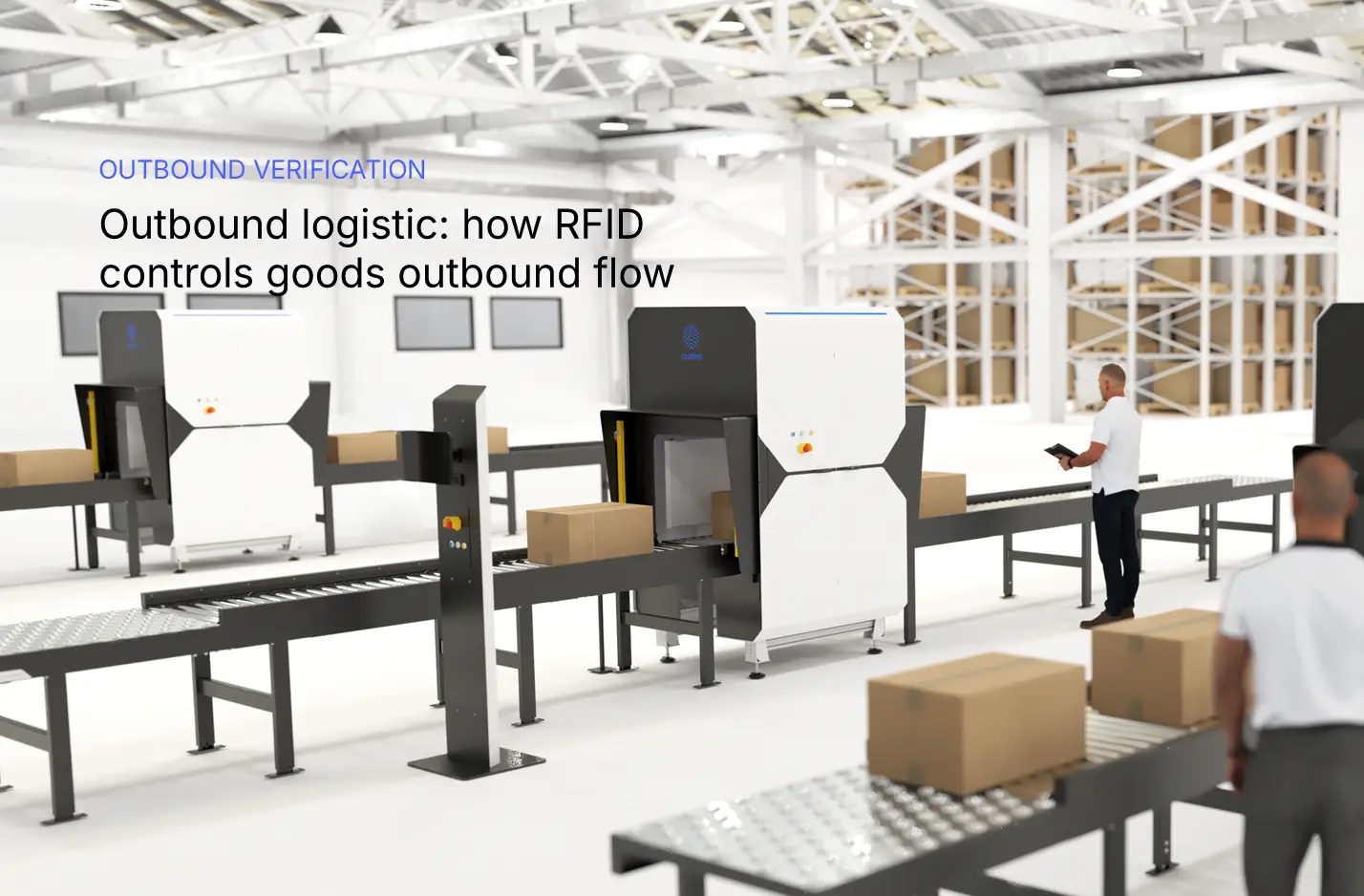
- A retail distribution centre integrates RFID tunnels with Zentup to detect packing errors in real-time.
- In pharmaceutical sectors, RFID guarantee serialized units match outbound manifest, complying with regulations.
These examples demonstrate how RFID enhances outbound verification, reducing errors and increasing operational performance.
Outbound verification is the final quality checkpoint before items leave the warehouse. It guarantees that every shipped item is correct, traceable and ready for delivery. By integrating RFID with Zentup middleware, companies gain real time visibility, operational accuracy and complete traceability.
In a supply chain where accuracy and speed are essential, RFID technology transforms outbound logistic into an agile, automated, and data-driven process that protects both the business and the customer.